
Vitamin K1 vs K2: What’s the Difference?
If you take the time to read your supplement labels, you may have noticed that some vitamin K products contain vitamin K1, while others feature vitamin K2. If you're confused about the difference between vitamin K and K2, then this blog is for you! The distinction between these two forms matters more than you might think for your bone health, cardiovascular health, and calcium metabolism.
Knowing the difference between vitamin K1 vs K2 can help you decide which one is best for your current health needs. While both are technically "vitamin K," they function quite differently in your body and come from completely different food sources.
What is Vitamin K?
Vitamin K is a fat-soluble vitamin essential for blood clotting and bone metabolism. The name "vitamin K" comes from the German word "koagulation," reflecting its role in blood clotting.
However, "vitamin K" isn't a single compound, but a family of related vitamins with distinct forms and functions. The two main types are vitamin K1 (phylloquinone) and vitamin K2 (menaquinone), and the K1 vs K2 comparison reveals important functional differences.
Vitamin K1: The Clotting Factor

Vitamin K1 makes up about 75-90% of dietary vitamin K intake in typical Western diets. This form is found primarily in green leafy vegetables and plays a crucial role in blood coagulation.
Where You Find K1:
-
Kale, spinach, and collard greens
-
Broccoli and Brussels sprouts
-
Green beans and asparagus
-
Lettuce and other leafy greens
Primary Functions:
Vitamin K1's main job is to activate clotting factors in your liver. Without adequate K1, your blood wouldn't clot properly, leading to excessive bleeding from even minor injuries.
While K1 can convert to K2 in small amounts within your body, this conversion is inefficient. This is why the vitamin K vs K2 distinction matters. You can't rely on K1 to fulfill all of K2's unique roles.
Vitamin K2: The Calcium Director
Vitamin K2 represents the lesser-known but arguably more important form for long-term health. This form comes in several subtypes (MK-4 through MK-13), with MK-4 and MK-7 being most significant for human health.
Where You Find K2:
-
Fermented foods (natto, sauerkraut, kimchi)
-
Aged cheeses (Gouda, Brie)
-
Egg yolks from pasture-raised chickens
-
Grass-fed butter and meat
-
Organ meats
Notice that these vitamin K1 and vitamin K2 food sources barely overlap, so you need different foods to get each type.
Primary Functions:
K2's primary role is to direct calcium to its appropriate destinations in your body. It activates specific proteins.
Osteocalcin: Binds calcium into bone matrix, supporting bone density and strength.
Matrix Gla Protein (MGP): Prevents calcium from depositing in soft tissues like arteries and organs.
This calcium-directing function explains why the distinction between vitamin K and vitamin K2 matters for bone and cardiovascular health.
Key Differences: K1 vs K2
Function
K1: Primarily supports blood clotting through liver-based proteins.
K2: Primarily directs calcium metabolism, supporting both bone health and cardiovascular wellness.
Absorption and Bioavailability
K1: Less efficiently absorbed, with only about 10% of dietary K1 actually utilized by your body.
K2: More efficiently absorbed and retained longer in tissues where it's needed.
Duration in the Body
K1: Cleared from the body relatively quickly.
K2: Particularly the MK-7 form, remains active in your bloodstream for up to 72 hours, providing sustained benefits.
Food Sources
K1: Abundant in common vegetables, easy to obtain through typical diets.
K2: Found primarily in fermented foods and animal products from grass-fed sources, much harder to obtain in adequate amounts.
Why the Vitamin K1 vs K2 Distinction Matters
The difference between vitamin K and K2 has significant health implications:
Bone Health
While calcium and vitamin D get most attention for bone health, K2 is equally important. It ensures that the calcium you consume actually strengthens your bones rather than accumulating where it shouldn't.
Without adequate K2, you could be taking calcium supplements that end up in your arteries instead of your skeleton - the opposite of what you want!
Cardiovascular Health
Perhaps the most important vitamin K vs vitamin K2 distinction involves heart health. K2's activation of MGP prevents arterial calcification, supporting healthy, flexible blood vessels.
However, high K1 intake doesn't provide these cardiovascular benefits. You specifically need K2 for arterial protection.
Optimal Calcium Metabolism
When you take vitamin D (which increases calcium absorption) without adequate K2, you risk calcium depositing in soft tissues. This is why many experts recommend taking vitamin D with K2 rather than alone.
Our Vegan Vitamin D3 + K2 supplement provides a synergistic combination to support optimal calcium utilization.
Different Forms of K2
Within the K2 category, the K1 vs K2 vitamin comparison gets even more nuanced:
MK-4
-
Shorter half-life in the body
-
Found in animal products
-
Requires higher doses for benefits
MK-7
-
Longer half-life (up to 72 hours)
-
Found primarily in natto (fermented soybeans)
-
More efficient at lower doses
-
Most commonly used in supplements
Most vitamin K2 supplements use MK-7 due to its superior bioavailability and longer duration of action.
Do You Need Both K1 and K2?
The answer is yes. The relationship between vitamin K1 and vitamin K2 isn't an either-or scenario. You need both forms for optimal health:
K1 supports proper blood clotting and helps prevent bleeding disorders.
K2 directs calcium for bone and cardiovascular health.
Since they serve different functions and aren't interchangeable, optimal health requires adequate intake of both forms.
Getting Enough of Each Type
K1 is Easy
Most people get plenty of K1 through regular vegetable consumption. A large salad with leafy greens provides more than enough K1 for daily needs.
K2 is More Challenging
Unless you regularly eat natto (fermented soybeans), aged cheeses, or grass-fed animal products, you're probably not getting adequate K2 from your diet alone. This is where supplementation becomes valuable.
Our VegD3-K2 collection provides plant-based vitamin K2 MK-7 in optimal ratios with vitamin D3 for comprehensive bone and cardiovascular support.
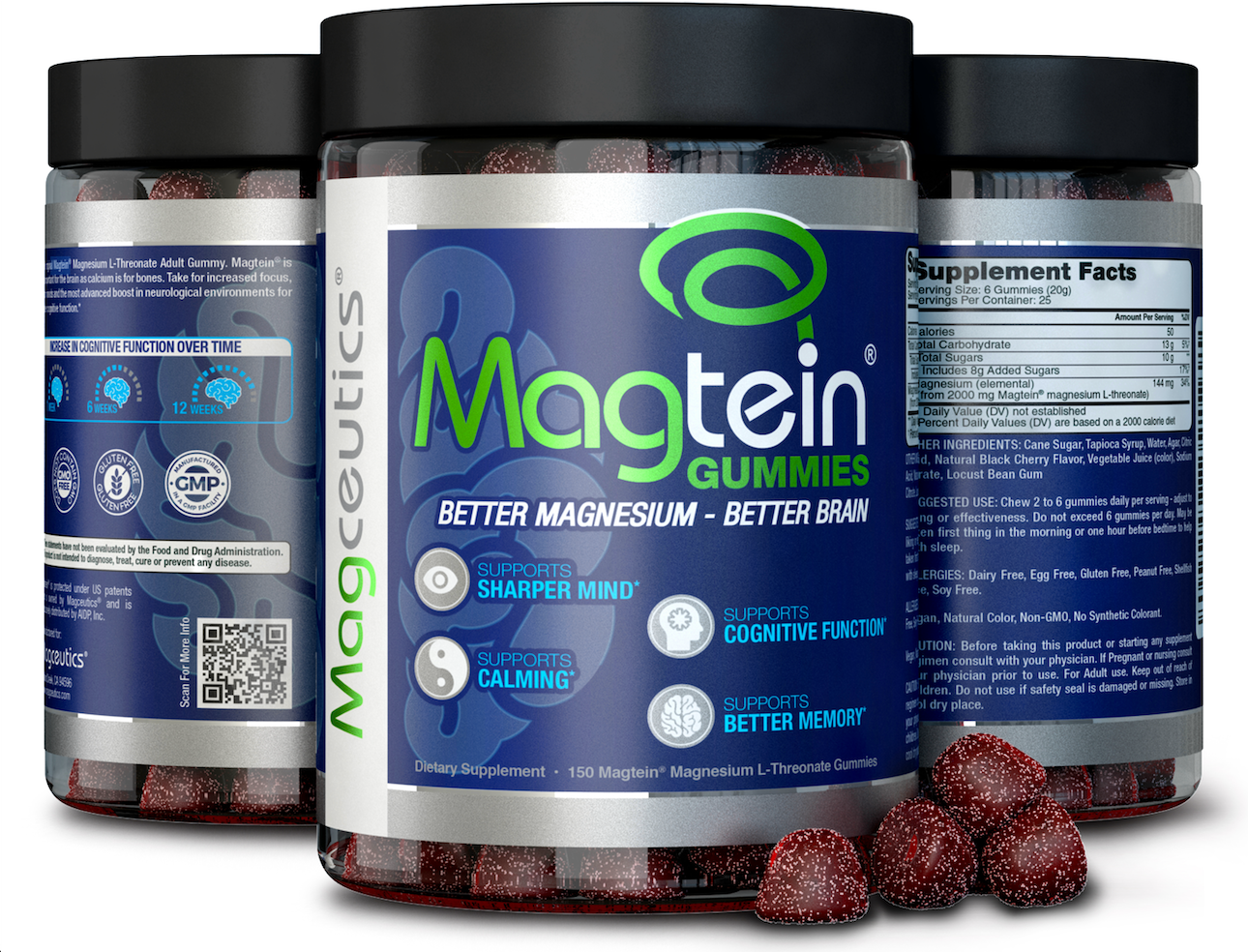
For those seeking complete nutritional support, the Magtein + Vegan Vitamin D3 + K2 combo combines brain health benefits with bone and immune nutrition.
Safety and Interactions
Both K1 and K2 are generally safe, with no established upper limits for healthy adults. However, people taking blood-thinning medications (warfarin/Coumadin) should consult healthcare providers before supplementing, as vitamin K can affect medication effectiveness.
Interestingly, some evidence suggests K2 may be safer for people on blood thinners than K1, though medical supervision remains essential.
Frequently Asked Questions
Is vitamin K2 the same as vitamin K?
Vitamin K2 is a specific form of vitamin K, but they're not the same. "Vitamin K" is an umbrella term for a family of compounds, with K1 and K2 being the main forms. K1 primarily supports blood clotting, while K2 directs calcium metabolism for bone and cardiovascular health.
Which is better, vitamin K or K2?
Neither is "better" because you need both forms. K1 is essential for blood clotting, and K2 is crucial for directing calcium to bones and preventing arterial calcification. However, if you're concerned about bone health or take vitamin D supplements, ensuring adequate K2 intake becomes particularly important since most people already get sufficient K1 from vegetables.
What does vitamin K do for your body?
What vitamin K does for your body depends on which form you're talking about. Vitamin K1 activates clotting factors in your liver, allowing your blood to clot properly and preventing excessive bleeding. Vitamin K2 activates proteins that direct calcium throughout your body - specifically osteocalcin (which binds calcium into bones) and matrix Gla protein (which prevents calcium from depositing in arteries and soft tissues).