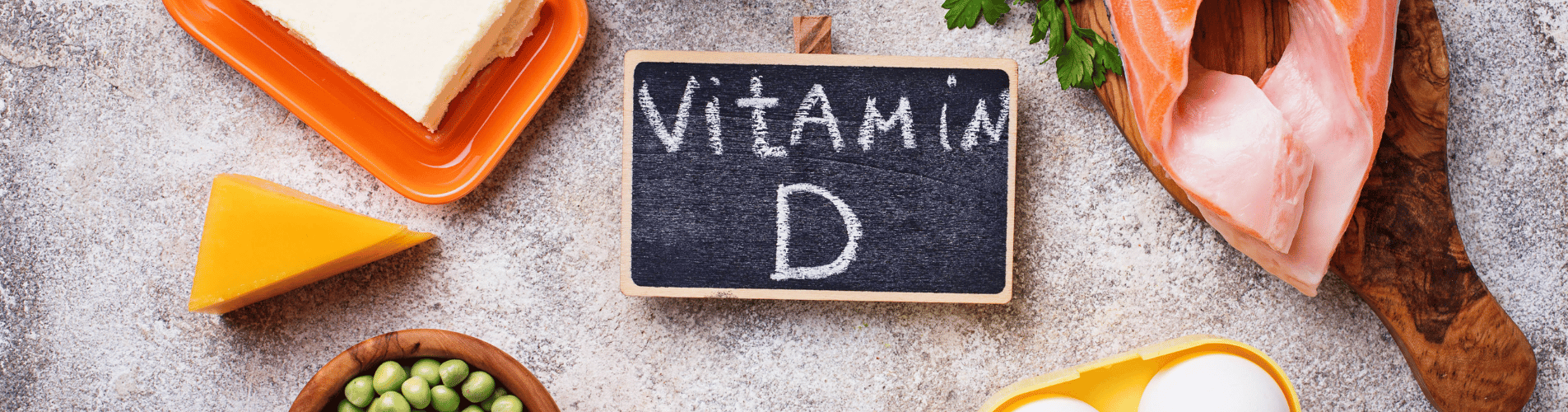
What Foods Have Vitamin D?
Last reviewed on: February 17th, 2026
You've heard vitamin D is important. Your doctor mentioned it during your last checkup. Maybe you've noticed low energy or gotten sick more often lately. So you're wondering: can I get enough vitamin D from food alone, or do I need to supplement?
What foods have vitamin D? is a question with a surprisingly short answer. Few foods naturally contain significant amounts of this crucial nutrient, although the #1 source is sunlight. While getting most of your Vitamin D from the sun is ideal, it may not be practical for everyone. In this blog, we’ll discuss which foods provide vitamin D, how much they contain, and whether dietary sources alone can meet your needs.
Why Vitamin D Matters
Before going over food sources, let’s discuss why this nutrient deserves attention. Vitamin D plays critical roles throughout your body:
- Supports calcium absorption for strong bones and teeth
- Regulates immune system function
- Supports mood and mental health
- Helps maintain healthy muscle function
- Supports cardiovascular health
- Plays roles in cell growth and inflammation regulation
Vitamin D deficiency is surprisingly common, affecting an estimated 40% of Americans. This widespread insufficiency partly stems from limited dietary sources and reduced sun exposure due to indoor lifestyles, sunscreen use, and geographic location.
Top Vitamin D-Rich Foods
Fatty Fish: The Champions of Vitamin D
When asking what foods have vitamin D, fatty fish top the list. These seafood options provide the most substantial dietary vitamin D:
Salmon (wild-caught): 3 ounces provides approximately 570-650 IU of vitamin D. Wild salmon generally contains more vitamin D than farmed varieties.
Mackerel: 3 ounces delivers about 450 IU of vitamin D, making it another excellent source.
Sardines: These small fish pack about 175 IU per 3-ounce serving. Canned sardines with bones also provide calcium.
Tuna: Canned light tuna provides roughly 150 IU per 3 ounces, while fresh tuna offers even more.
Herring: This often-overlooked fish provides approximately 300 IU per 3-ounce serving.
The challenge? You'd need to eat fatty fish almost daily to meet vitamin D requirements through this source alone, and that's neither practical nor affordable for most people.
Cod Liver Oil: Concentrated but Polarizing
One tablespoon of cod liver oil provides an impressive 1,360 IU of vitamin D. While this makes it one of the richest vitamin D sources, the strong taste and potential for vitamin A toxicity with regular use make it less appealing for many people.
Egg Yolks: A Modest Contributor
Eggs are among the foods that contain vitamin D>, though the amount is relatively modest. One large egg yolk provides about 40 IU of vitamin D. Eggs from pasture-raised chickens, however, may contain 3-4 times more vitamin D than conventional eggs!
To meet daily vitamin D needs from eggs alone, you'd need to consume 10-25 egg yolks daily…clearly not a practical approach.
Mushrooms: The Plant-Based Option
Mushrooms are unique among plant foods because they can produce vitamin D when exposed to UV light, similar to how human skin synthesizes it from sunlight.
UV-exposed mushrooms: Some commercially available mushrooms are UV-exposed, providing 400-800 IU per 3-ounce serving.
Wild mushrooms: Varieties such as maitake may naturally contain higher vitamin D levels due to sun exposure.
Standard mushrooms<: Regular mushrooms grown in dark conditions contain minimal vitamin D.
For mushrooms to be a significant vitamin D food source, they must be specifically labeled as UV-treated or vitamin D-enhanced.
Fortified Foods: Boosting Dietary Sources
Since natural food rich in vitamin D options are limited, many countries fortify common foods to help prevent deficiency:
Fortified milk: One cup typically provides 115-130 IU of vitamin D. However, this varies by brand and product.
Fortified plant-based milks: Soy, almond, oat, and other plant milks are often fortified to match dairy milk levels.
Fortified orange juice: Some brands provide 100-140 IU per cup.
Fortified cereals: Amount varies widely by brand, ranging from 40 to 140 IU per serving.
Fortified yogurt: Provides approximately 80-100 IU per 6-ounce serving.
Important note: Not all brands fortify their products, and fortification levels vary. Always check nutrition labels.
Beef Liver and Other Organ Meats
Beef liver provides about 50 IU per 3-ounce serving. While this makes it one of the foods high in vitamin D, most people don't consume organ meats regularly enough to significantly impact their vitamin D status.
Cheese: Minimal Amounts
Some cheeses contain small amounts of vitamin D - roughly 10-20 IU per ounce for ricotta or cheddar. The amounts are too small to rely on cheese as a primary vitamin D source.
The Reality Check: Can Food Alone Provide Enough?

Looking at the numbers reveals a challenging reality. Most adults need 600-2,000 IU of vitamin D daily, depending on individual factors, sun exposure, and health status.
A typical day's food intake might provide:
-
Breakfast: Fortified cereal with milk (140 IU)
-
Lunch: Tuna sandwich (150 IU)
-
Dinner: Salmon (600 IU)
-
Total: About 890 IU
This diet includes multiple vitamin D sources and still barely reaches the minimum recommended amount, and it requires eating fatty fish daily, which isn't practical or affordable for most people.
For vegetarians and vegans, meeting vitamin D needs through food becomes even more challenging since the richest natural sources are animal-based.
Factors Affecting Vitamin D Needs
Your vitamin D requirements depend on several factors beyond diet:
Sun Exposure
Your skin produces vitamin D when exposed to UVB rays. However:
-
Geographic location affects UVB availability (limited in northern latitudes)
-
Seasonal changes reduce winter production
-
Sunscreen blocks vitamin D synthesis (though sun protection remains important)
-
Skin tone affects production efficiency
-
Time spent indoors limits exposure
Age and Health Status
-
Older adults produce less vitamin D from sun exposure
-
Certain medical conditions affect absorption
-
Obesity can affect vitamin D metabolism
-
Kidney and liver function influence vitamin D activation
Individual Variation
People vary in their ability to absorb, produce, and utilize vitamin D, making universal dietary recommendations challenging.
When Supplementation Makes Sense
Given the limited vitamin D-rich foods and individual variation in needs, supplementation often provides the most reliable way to maintain adequate levels.
Our VegD3-K2 collection offers plant-based vitamin D3 options paired with vitamin K2 for optimal calcium utilization. The Vegan Vitamin D3 + K2 supplement provides consistent dosing without the challenges of meeting adequate intake from food alone.
For comprehensive support, the Magtein + Vegan Vitamin D3 + K2 combo combines brain health support with bone and immune nutrition.
Maximizing Dietary Vitamin D
While food alone may not provide adequate vitamin D, these strategies help maximize dietary intake:
Choose Wisely
-
Select wild-caught salmon over farmed when possible
-
Look for UV-exposed or vitamin D-enhanced mushrooms
-
Choose fortified products when purchasing milk or plant-based alternatives
-
Include eggs from pasture-raised chickens when available
Eat with Fat
Vitamin D is fat-soluble, meaning it absorbs best when consumed with dietary fat. Pair foods rich in vitamin D with healthy fats such as olive oil, avocado, or nuts.
Check Labels
Fortification levels vary significantly between brands. Compare nutrition labels to choose products with higher vitamin D content.
Combine Strategies
Use dietary sources as a foundation while recognizing that supplementation often provides more consistent and adequate vitamin D intake.
Testing and Monitoring
The only way to know your vitamin D status definitively is through blood testing. A simple 25-hydroxyvitamin D test reveals whether your levels are optimal, insufficient, or deficient.
Testing is particularly important because:
-
You can't feel vitamin D deficiency in most cases
-
Symptoms, when present, are vague (fatigue, muscle weakness)
-
Individual needs and absorption vary significantly
-
It guides appropriate supplementation doses
Whether through strategic food choices, smart supplementation from our complete collection, or a combination of both, getting adequate vitamin D supports your bone health, immune function, and overall wellness.
Upgrade Your Supplement Routine
Frequently Asked Questions
How can I increase my vitamin D naturally?
The most natural way to increase vitamin D is through sun exposure. About 10-30 minutes of midday sun on exposed skin several times weekly can help, though this varies by skin tone, location, and season. For dietary approaches, focus on vitamin D-rich foods like fatty fish (salmon, mackerel, sardines), UV-exposed mushrooms, and fortified products.
How much vitamin D per day?
Most adults need 600-2,000 IU of vitamin D daily, though optimal amounts vary individually. The general recommendation is 600 IU for adults under 70 and 800 IU for those over 70, but many health experts suggest 1,000-2,000 IU daily for optimal health. Because achieving adequate vitamin D intake from food alone is challenging, blood testing helps determine your specific requirements.
What foods have high vitamin D?
Foods high in vitamin D are surprisingly limited. Wild-caught salmon leads with about 570-650 IU per 3-ounce serving. Mackerel (450 IU), sardines (175 IU), and UV-exposed mushrooms (400-800 IU) offer substantial amounts. Fortified foods typically provide 100-140 IU per serving. Egg yolks contain only about 40 IU each.