
The Effect of Magnesium on Mental Health
Last reviewed on: December 2nd, 2025
Your mood feels off, but you can't quite pinpoint why. Small stressors feel overwhelming, and that general sense of well-being you used to feel seems just out of reach. Before assuming you need major interventions, a possible consideration is that your brain might simply be running low on magnesium.
Magnesium for mental health is one of the most overlooked yet scientifically supported approaches to promoting emotional well-being. It influences brain chemistry, stress response, and mood regulation in ways that can make a tangible difference in how you feel day to day.
The Brain-Magnesium Connection
Your brain is an incredibly demanding organ, using about 20% of your body's total energy despite representing only 2% of body weight. This intense metabolic activity requires substantial mineral support, particularly magnesium, which participates in over 300 enzymatic reactions throughout your body, many of which directly impact brain function.
Magnesium’s mental health connections involve several critical pathways:
- Neurotransmitter synthesis and regulation
- Stress response system modulation
- Neural plasticity and brain cell communication
- Inflammation regulation in brain tissue
- Blood-brain barrier integrity
When magnesium levels drop, these systems can't function optimally, potentially contributing to mood disturbances, increased stress reactivity, and reduced emotional resilience.
Does Magnesium Help with Mood?
Growing evidence suggests that adequate magnesium status plays a significant role in emotional well-being. Population studies have found correlations between low magnesium intake and increased rates of mood disturbances, though more research is needed to fully understand these relationships.
How Magnesium Influences Mood:
Stress Response Regulation: Magnesium helps regulate the hypothalamic-pituitary-adrenal (HPA) axis, your body's central stress response system. When this system becomes overactive from chronic stress, it can contribute to mood problems. Adequate magnesium helps maintain appropriate stress responses rather than constant fight-or-flight activation.
Neurotransmitter Support: The connection between magnesium and serotonin is particularly relevant for mood. Magnesium is involved in serotonin synthesis and receptor function. Since serotonin significantly influences mood, sleep, and appetite, magnesium's role in this system directly impacts emotional well-being.
GABA Function: Magnesium supports GABA (gamma-aminobutyric acid), the brain's primary calming neurotransmitter. GABA helps quiet excessive neural activity that can contribute to feelings of overwhelm, racing thoughts, and emotional reactivity.
Inflammation Modulation: Emerging research connects inflammation with mood disturbances. Magnesium's anti-inflammatory properties may contribute to its mood-supporting effects by helping maintain healthy inflammatory responses in the brain.
Benefits of Magnesium for Mental Health

The benefits of magnesium for mental health extend across various aspects of emotional and cognitive well-being:
Stress Resilience
Magnesium can help buffer the impact of stress on your mental state. While it doesn't eliminate stressors from your life, adequate magnesium status may help you respond to challenges with greater emotional stability and less reactivity.
Emotional Balance
Many people report feeling more emotionally steady when their magnesium levels are adequate, less prone to irritability, mood swings, or emotional overwhelm from minor triggers.
Sleep Quality
Since poor sleep significantly impacts mental health, magnesium's role in supporting restful sleep indirectly benefits mood and emotional regulation. Better sleep means better emotional resilience the next day.
Cognitive Calm
The racing thoughts and mental restlessness that often accompany stress or mood concerns may respond to magnesium's calming influence on neural activity, particularly through its effects on GABA function.
Shop Magnesium for Mood Support
Brain-Targeted Magnesium for Mental Health
When considering magnesium for mental health, the form you choose can significantly impact benefits, particularly for mood and cognitive symptoms:
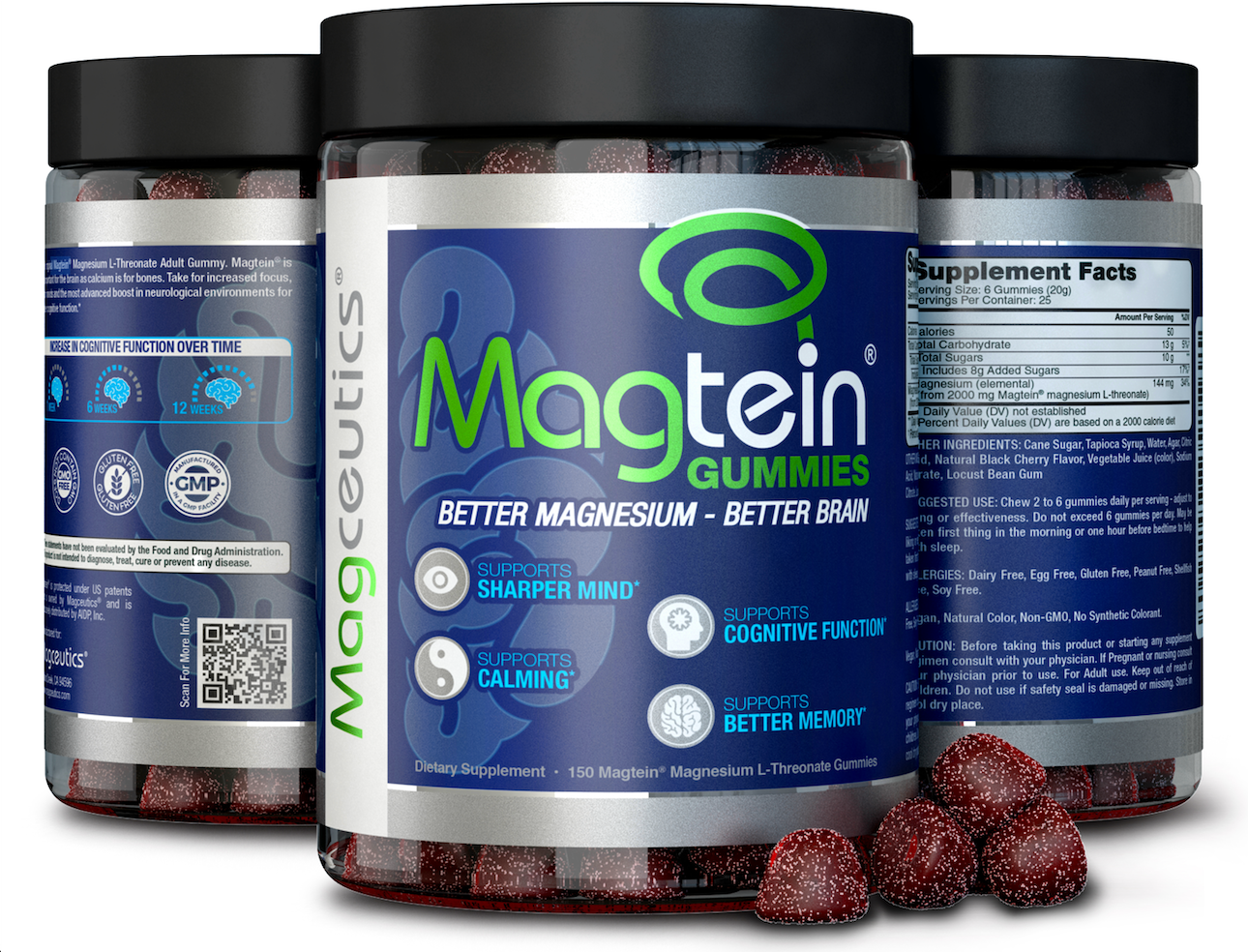
Magnesium L-Threonate (Magtein®)
This unique form crosses the blood-brain barrier to increase magnesium levels directly in brain tissue. For mental health concerns with cognitive components, brain fog, difficulty concentrating, or mental fatigue accompanying mood changes, brain-targeted magnesium may provide more comprehensive support. Our brain health collection features formulations specifically designed to aid cognitive and emotional wellness.
Magnesium Glycinate
The glycine component provides additional calming benefits, making this form particularly suitable for stress-related mood concerns and sleep support that impacts mental health.
Advanced Formulations
For comprehensive mental health support, MagteinPro® combines brain-targeted magnesium with complementary nutrients that drive both cognitive function and emotional balance.
Magnesium and Mood: What to Expect
Having realistic expectations helps you assess whether magnesium and mood support is working for you:
Timeline for Benefits
Most people notice initial effects within 1-2 weeks of consistent supplementation, though more substantial mood improvements often develop over 4-8 weeks as brain magnesium levels optimize.
Nature of Effects
Magnesium's mood benefits are typically subtle rather than dramatic. You might notice:
- Feeling less reactive to stressors
- Better emotional stability throughout the day
- Improved sleep quality that supports better mood
- Reduced physical tension that often accompanies stress
- Greater mental clarity and reduced overwhelm
Optimizing Magnesium for Mental Health
To maximize the benefits of magnesium for mental health:
Dosage Considerations
Most adults benefit from 200-400 mg of elemental magnesium daily, though individual needs vary. Start with moderate doses and adjust based on response.
Timing
Evening supplementation often works well since magnesium supports both mood and sleep. However, some people prefer splitting doses between morning and evening for all-day assistance.
Consistency
Mental health benefits develop most reliably with consistent daily use rather than sporadic supplementation.
Quality Matters
Choose well-absorbed forms from reputable sources to ensure you're getting the full potential of magnesium's mood-supporting properties.
Targeted Support for Your Mood and Well-Being
While it's not a standalone solution for serious mental health conditions, having adequate magnesium levels can significantly impact how resilient, balanced, and emotionally stable you feel day to day.
Our calm and mood support collection offers targeted formulations designed to work together for emotional wellness. Additionally, exploring our energy and nootropics collection can provide complementary support for mental vitality.
Frequently Asked Questions
Can taking magnesium make you happier?
Magnesium and mood have a nuanced relationship. If low magnesium status was contributing to mood issues, supplementation may lead to noticeable improvements in how you feel. However, magnesium isn't a "happiness pill" that creates positive mood regardless of other factors. Think of it as removing a potential barrier to well-being rather than artificially inducing happiness. The mood benefits tend to be subtle but meaningful.
How long does magnesium take to improve mood?
The timeline for magnesium for mental health benefits varies by individual. Some people notice improved sleep quality and reduced physical tension within days, which can indirectly support better mood. More substantial mood improvements typically develop over 2-6 weeks of consistent supplementation as brain magnesium levels optimize. The effects build gradually rather than appearing suddenly, so tracking your mood over several weeks provides better assessment than evaluating after just a few days.
Can magnesium help overthinking?
Some of magnesium’s benefits may include reduced mental restlessness and racing thoughts, particularly through its support of GABA function. Many people report that brain-targeted forms like magnesium L-threonate help quiet the constant mental chatter that characterizes overthinking. However, magnesium addresses the neurochemical aspects of mental restlessness rather than the thought patterns themselves. It can help create a calmer mental state, but combining supplementation with stress management techniques or cognitive strategies often provides more comprehensive relief from persistent overthinking.