
Magnesium for Muscle Recovery: Does Magnesium Help with Soreness?
Last reviewed on: November 24th, 2025
You pushed through an intense workout yesterday, and now you're paying the price. Your muscles are screaming, stairs feel like mountain climbing, and you're wondering if there's anything besides time that can help you recover faster. Enter magnesium, a mineral that might be the missing piece in your post-workout recovery strategy.
Magnesium for muscle recovery has gained attention among athletes and fitness enthusiasts, but does the science support the hype? Keep reading to explore how magnesium influences muscle function, repair, and recovery.
Why Muscles Get Sore (And How Magnesium Fits In)
Exercise-induced muscle soreness typically comes in two forms: acute soreness during or immediately after exercise, and delayed-onset muscle soreness (DOMS) that peaks 24-72 hours post-workout. Both involve microscopic damage to muscle fibers, inflammation, and the subsequent repair process that ultimately makes you stronger.
Magnesium and exercise intersect at multiple points in this recovery process. This essential mineral:
- Helps regulate muscle contractions and relaxation
- Supports protein synthesis needed for muscle repair
- Influences inflammation and oxidative stress
- Affects the electrolyte balance, which is crucial for muscle function
- Supports energy production in muscle cells
When you exercise intensely, your body uses and loses magnesium through sweat and increased metabolic demands. This depletion can potentially slow recovery and increase susceptibility to cramping and prolonged soreness.
Does Magnesium Help with Muscle Soreness?
The relationship is more nuanced than a simple yes or no. Magnesium doesn't work like an over-the-counter pain reliever that directly blocks pain signals. Instead, it supports the physiological processes involved in muscle recovery and can help address factors that contribute to prolonged or excessive soreness.
How Magnesium Supports Recovery:
Muscle Relaxation: Magnesium acts as a natural calcium blocker in muscle cells. While calcium triggers muscle contraction, magnesium promotes relaxation. When magnesium levels are adequate, muscles can release tension more effectively, potentially reducing the sensation of tightness and soreness.
Reduced Inflammation: Some research suggests that adequate magnesium status may help modulate inflammatory responses. Since inflammation contributes to post-exercise soreness, maintaining optimal magnesium levels could support more comfortable recovery.
Energy Production: Magnesium is required for ATP (energy) production. During the repair and rebuilding phase after exercise, your muscles need substantial energy. Adequate magnesium ensures this process can proceed efficiently.
Electrolyte Balance: Proper electrolyte balance, including magnesium alongside sodium and potassium, supports optimal muscle function and may reduce cramping and excessive soreness.
Magnesium for Exercise: Timing and Benefits

Magnesium after exercise can be particularly valuable for recovery, though the optimal timing strategy depends on your goals and training schedule.
Post-Workout Benefits:
Taking magnesium shortly after intense training may help:
- Replenish what was lost through sweat
- Support the immediate recovery process
- Promote muscle relaxation after contraction-heavy workouts
- Support sleep quality, which is crucial for recovery
Evening Supplementation:
Many athletes prefer taking magnesium for workout recovery in the evening because:
- Muscle repair occurs primarily during sleep
- Magnesium's calming properties support deeper, more restorative sleep
- Overnight recovery provides sustained time for the mineral to work
Best Magnesium for Athletes
If you’re an athlete, the form of magnesium you take matters as much as the dose. Different magnesium types offer varying benefits for athletic recovery:
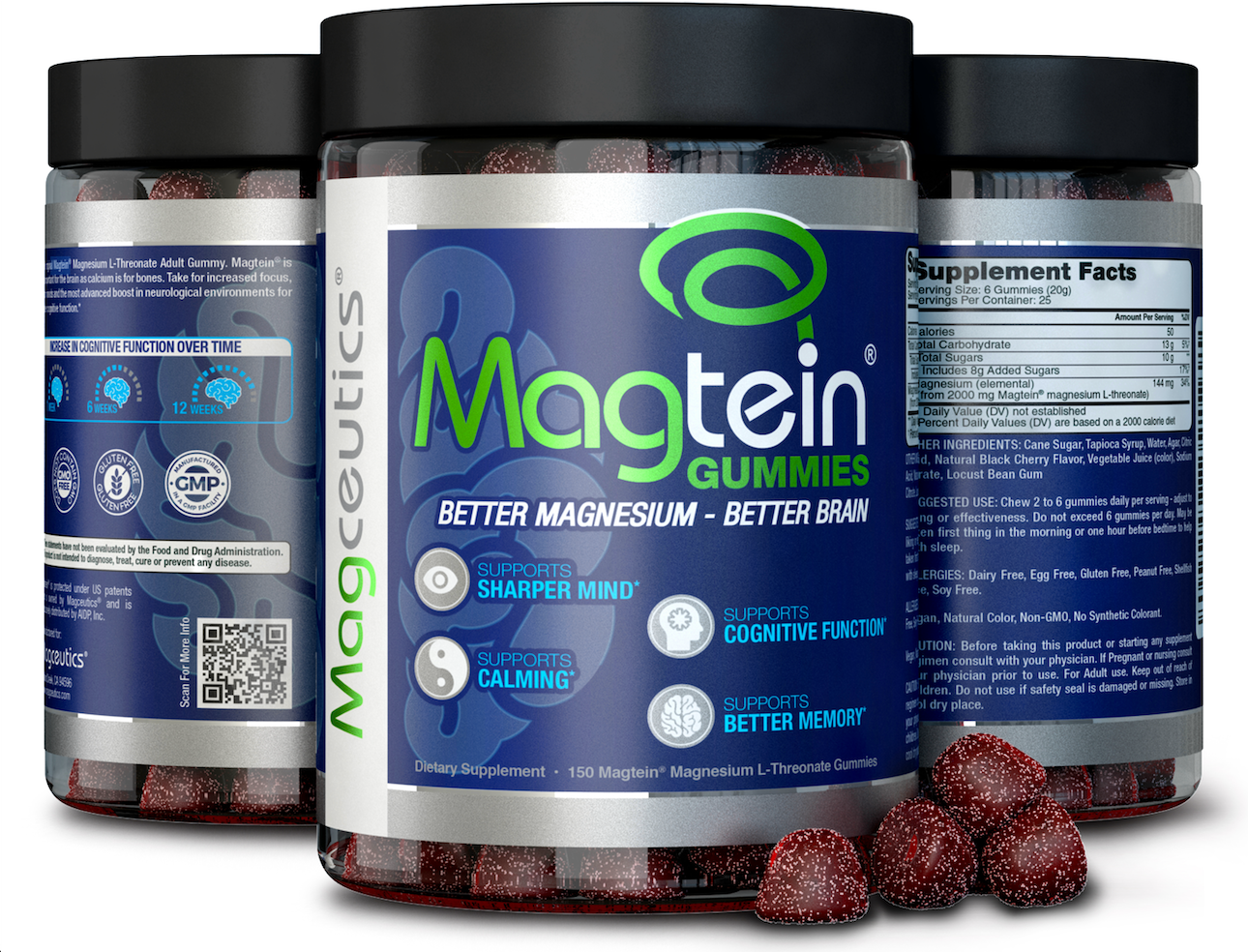
Magnesium L-Threonate (Magtein®)
While primarily known for cognitive benefits, this brain-targeted form may support athletes in unique ways. The mental aspects of training, focus, stress management, and recovery mindset significantly impact physical performance. Our Magtein collection offers brain-supporting magnesium that can complement physical recovery strategies.
Magnesium Glycinate
Often recommended for muscle recovery due to its excellent absorption and the additional benefits of glycine, an amino acid that supports relaxation and may aid in muscle repair. This form is gentle on the digestive system, making it suitable for consistent daily use.
Magnesium Citrate
Provides good bioavailability and may help with post-workout hydration due to its mild osmotic effect. However, higher doses can cause digestive upset, which may interfere with training.
Magnesium Malate
Sometimes recommended for athletes because malic acid is involved in energy production. This form may support both muscle function and cellular energy metabolism.
Magnesium and Muscle Soreness: What Research Suggests
The connection between magnesium and muscle soreness has been explored in various studies, though more research is needed for definitive conclusions. Current evidence suggests:
- Athletes with adequate magnesium status may experience less severe DOMS
- Magnesium supplementation might help reduce exercise-induced inflammation markers
- Proper magnesium levels support optimal muscle function and may reduce cramping
- The muscle-relaxing properties of magnesium can contribute to reduced tension and discomfort
However, it's important to note that magnesium isn't a magic solution that eliminates soreness entirely. It's one component of comprehensive recovery that includes proper nutrition, hydration, sleep, and appropriate training progression.
Optimizing Magnesium for Athletic Recovery
To maximize magnesium for muscle recovery benefits:
Assess Your Needs:
Athletes typically have higher magnesium requirements than sedentary individuals due to:
- Increased losses through sweat
- Higher metabolic demands
- Greater muscle mass that requires support
- Stress of intense training
Consider Comprehensive Support:
Magnesium for workout recovery works best as part of a complete nutritional strategy. Our MagteinPro collection offers advanced formulations that combine magnesium with complementary nutrients for comprehensive support.
For athletes focused on both physical and mental performance, exploring our energy and nootropics collection can provide additional targeted support for training demands.
Dosage Considerations:
Most athletes benefit from 300-500mg of elemental magnesium daily, though individual needs vary based on:
- Training intensity and volume
- Sweat rates and duration
- Dietary magnesium intake
- Individual absorption capacity
Timing Strategies:
- Pre-workout: May support muscle function during exercise
- Post-workout: Helps replenish what was lost and supports immediate recovery
- Evening: Supports overnight recovery and sleep quality
- Divided doses: Supplementation throughout the day maintains steady levels
Making Magnesium Part of Your Training Protocol
While it won't replace proper training, nutrition, and rest, ensuring adequate magnesium status can support your body's natural recovery processes and may help reduce excessive soreness that interferes with consistent training.
Whether you're a competitive athlete or recreational exerciser, paying attention to magnesium intake—through both diet and supplementation when needed—can help you recover more comfortably and maintain the consistency that drives long-term progress.
Frequently Asked Questions
Does magnesium heal muscles?
Magnesium doesn't directly "heal" muscles in the sense of repairing tissue damage, but it supports the processes involved in muscle recovery and repair. Magnesium for muscle recovery works by supporting protein synthesis, managing inflammation, promoting muscle relaxation, and ensuring adequate energy production for the repair process. Think of magnesium as a facilitator that helps your body's natural healing mechanisms work more efficiently rather than as a direct healing agent itself.
How long does magnesium take to work for muscle pain?
The timeline for magnesium and muscle soreness relief varies depending on whether you're addressing acute symptoms or building up adequate stores. For immediate muscle tension or cramping, some people notice effects within hours of supplementation. However, for ongoing recovery support and reduced delayed-onset-muscle-soreness (DOMS), consistent supplementation over 1-2 weeks typically produces more noticeable benefits as your body's magnesium levels optimize. The muscle-relaxing properties may provide some immediate comfort, while the deeper recovery benefits develop with regular use.
Does magnesium speed up muscle recovery?
Magnesium can support faster recovery when deficiency or suboptimal levels were previously limiting the recovery process. If you're magnesium-deficient, supplementation may noticeably improve recovery speed. However, if your magnesium status is already adequate, adding more won't necessarily accelerate recovery beyond what your body is already achieving. Magnesium works best as part of comprehensive recovery nutrition that includes adequate protein, calories, hydration, and sleep; it's a supporting player rather than a standalone solution for faster recovery.