
How to Stay Focused: Top Tips
Last reviewed on: January 16th, 2026
You sit down to work on something important, and within minutes, you're checking your phone, thinking about lunch, or remembering that thing you forgot to do yesterday. Don’t worry if this sounds like a day in the life for you, because you’re not alone. If staying focused feels like an uphill battle, you're experiencing what millions of people face daily in our distraction-saturated world.
How to stay focused isn't about superhuman willpower or turning yourself into a productivity machine. It's simply a matter of understanding how your brain's attention systems work and creating conditions that support sustained concentration. You can actually train your focus like a muscle, and small changes often produce surprisingly significant results!
Focus and Attention 101
Before diving into strategies, it's helpful to understand what focus actually is. Your brain has limited attentional resources. You can't pay attention to everything simultaneously, so your brain constantly filters information and decides what deserves your focus.
Several factors affect this filtering process:
- Your brain's energy levels and metabolic state
- Neurotransmitter balance, particularly dopamine
- Stress and cortisol levels
- Sleep quality and circadian rhythms
- Nutritional status, especially key brain nutrients
- Environmental distractions and stimuli
When any of these factors are off, maintaining focus becomes exponentially harder.
How To Improve Focus

Optimize Your Brain's Energy
Focus starts with ensuring your brain has the fuel it needs. Your brain uses about 20% of your body's total energy, even though it accounts for only 2% of your body weight. When blood sugar crashes or key nutrients are depleted, focus suffers.
What helps:
- Eat balanced meals with protein, healthy fats, and complex carbs
- Stay hydrated throughout the day
- Avoid excessive caffeine that creates energy crashes
- Consider brain-supporting nutrients like magnesium L-threonate
Our focus and productivity collection provides targeted nutritional support for sustained mental energy and concentration.
Shop Focus & Productivity Supplements
How To Pay Attention: Master the Art of Single-Tasking
Multitasking is a myth. Your brain actually task-switches, which drains focus and reduces efficiency. Staying focused effectively means doing one thing at a time.
Strategies:
- Close unnecessary browser tabs and applications
- Put your phone in another room or use "Do Not Disturb" mode
- Work on one project before moving to the next
- Resist the urge to check email or messages constantly
Use Time Blocking Techniques
To increase attention span, you need to work with your brain's natural rhythms rather than against them. Most people can maintain deep focus for 25-90 minutes before needing a break.
Try these approaches:
- Pomodoro Technique: 25 minutes of focused work, 5-minute break
- 90-minute deep work sessions followed by 15-20 minute breaks
- Time blocking: Schedule specific tasks for specific times
- Protect your peak focus hours for your most demanding work
Create a Distraction-Free Environment
Your environment profoundly affects your ability to concentrate. How to improve concentration often comes down to controlling your physical space.
Environmental optimizations:
- Organize your workspace to minimize visual clutter
- Use noise-canceling headphones or background music without lyrics
- Ensure adequate lighting (natural light is ideal)
- Keep your workspace at a comfortable temperature
- Remove or silence notification sources
Prioritize Sleep Quality
Poor sleep demolishes focus like nothing else. During sleep, your brain consolidates memories, clears metabolic waste, and restores neurotransmitter balance - all essential for next-day concentration.
Sleep hygiene basics:
- Aim for 7-9 hours nightly
- Maintain consistent sleep and wake times
- Avoid screens 1-2 hours before bed
- Keep your bedroom cool, dark, and quiet
- Consider magnesium supplementation for sleep support
Learn more about magnesium's role in focus and cognitive function in our guide on the best magnesium for mood, focus, and cognition.
Manage Stress Effectively
Chronic stress floods your brain with cortisol, which impairs the prefrontal cortex (your focus center) while amplifying the amygdala (your emotional/threat detection center). This makes sustained attention nearly impossible.
Stress management for focus:
- Practice deep breathing exercises during work breaks
- Take short walks to reset your nervous system
- Use progressive muscle relaxation
- Consider adaptogenic nutrients that support stress resilience
- Set realistic expectations and deadlines
Train Your Focus Muscle
How to improve focus is partly about building your concentration capacity over time. Like physical exercise, focus improves with consistent practice.
Focus training exercises:
- Meditation: Even 5-10 minutes daily strengthens attention
- Read physical books without interruption
- Practice single-tasking in everyday activities
- Gradually increase your focused work periods
- Notice when your mind wanders and gently redirect attention
Support Your Brain Nutritionally
Certain nutrients play outsized roles in attention and concentration. Deficiencies in these nutrients directly impair focus.
Key nutrients for focus:
- Magnesium L-threonate: Crosses the blood-brain barrier to support cognitive function directly
- B vitamins: Essential for energy metabolism in brain cells
- Omega-3 fatty acids: Support brain structure and neurotransmitter function
- Iron: Required for oxygen delivery and neurotransmitter synthesis
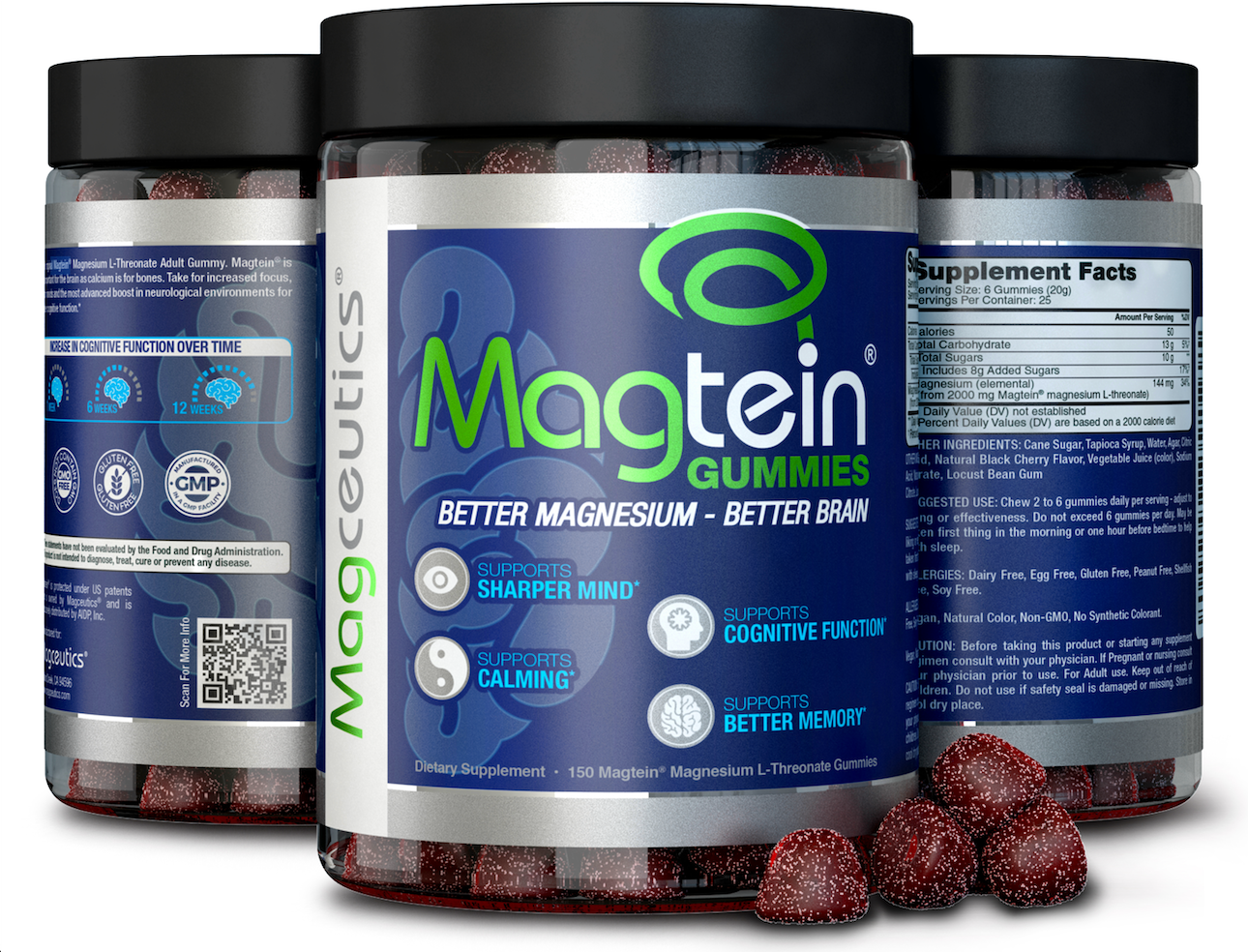
The Magtein collection offers brain-targeted magnesium formulations specifically developed to support cognitive function and mental clarity.
Exercise Regularly
Physical activity isn't just for your body, it's one of the most powerful focus enhancers available. Exercise increases blood flow to the brain, boosts neurotransmitters, and improves overall cognitive function.
Eliminate Decision Fatigue
Every decision you make depletes mental resources, so reducing unnecessary decisions can go a long way to keeping your attention on what matters.
Reduce decision load:
- Plan your day the night before
- Create routines for regular activities
- Batch similar tasks together
- Automate or systematize recurring decisions
- Use the "two-minute rule", if it takes less than two minutes, do it now
When Focus Problems Persist
If you're consistently struggling with focus despite implementing these strategies, consider:
- Getting your iron, vitamin D, and B12 levels tested
- Evaluating sleep quality through a sleep study if needed
- Discussing attention concerns with a healthcare provider
- Assessing whether medications might be affecting concentration
- Exploring whether underlying conditions like ADHD might be present
Persistent focus issues aren't a personal failing; they often signal that your brain needs additional support.
Frequently Asked Questions
How can I be more focused?
How to stay focused involves multiple strategies working together. Start with the basics: ensure adequate sleep (7-9 hours), eat balanced meals that stabilize blood sugar, and create a distraction-free workspace. Use time-blocking techniques to align with your brain's natural attention rhythms, and consider single-tasking rather than multitasking. Supporting your brain nutritionally with magnesium L-threonate and other key nutrients can significantly improve concentration capacity. Most importantly, treat focus like a skill that improves with practice, start small, and gradually build your concentration endurance.
What foods help with focus and concentration?
How to improve focus through diet involves foods that stabilize blood sugar and provide brain-supporting nutrients. Include protein sources (eggs, fish, lean meats, legumes) that provide amino acids for neurotransmitter production. Healthy fats from nuts, avocados, and fatty fish support brain structure and function. Complex carbohydrates from whole grains provide steady glucose for brain energy. Leafy greens, berries, and dark chocolate provide antioxidants and nutrients, such as magnesium. Stay hydrated, as even mild dehydration impairs concentration. Avoid excessive sugar and refined carbs, which can cause energy crashes and brain fog.
How long does it take to improve focus?
The timeline varies based on what's causing focus difficulties. Environmental changes (e.g., reducing distractions, improving workspace setup) can immediately improve focus. Sleep improvements often show benefits within a week. Nutritional support with brain-targeted nutrients, such as magnesium L-threonate, typically produces noticeable effects within 2-4 weeks of consistent use. Building focus as a skill through meditation or concentration exercises shows gradual improvement over weeks to months.