
Best Vitamins for Women Over 60
Reaching 60 doesn't mean slowing down, but it does mean your nutritional needs have shifted. Your body's ability to absorb certain nutrients decreases with age, while requirements for others actually increase. The supplements that served you well in your 40s or 50s may no longer address your current needs.
The best vitamins for women over 60 do more than prevent deficiency - they support the vitality, cognitive sharpness, bone strength, and overall wellness that let you enjoy this stage of life fully. Knowing which nutrients deserve priority and why can help you make informed choices about supporting your health for years to come.
Why Nutritional Needs Change After 60
Several age-related factors affect how women over 60 process and utilize nutrients:
Reduced Absorption: Stomach acid production typically decreases with age, which can affect the absorption of nutrients such as B12, iron, and calcium.
Medication Interactions: Many common medications can deplete specific nutrients or interfere with their absorption.
Hormonal Changes: Post-menopausal hormonal shifts affect bone density, cardiovascular health, and metabolism, thereby increasing certain nutritional requirements.
Metabolic Shifts: Changes in metabolism and body composition alter how efficiently your body uses nutrients for energy and cellular repair.
Essential Vitamins for Women Over 60
Vitamin D3 with K2: The Bone Health Power Couple
Vitamins for women over 60 should prioritize bone health, and vitamin D3 with K2 is considered the gold standard for skeletal support. Vitamin D3 increases calcium absorption, while K2 ensures that calcium goes into bones rather than soft tissues where it doesn't belong.
After menopause, declining estrogen significantly affects bone density. The D3 and K2 combination provides crucial support for:
- Maintaining bone mineral density
- Supporting calcium metabolism
- Promoting cardiovascular wellness
- Supporting immune function
Our VegD3-K2 collection offers plant-based options that provide optimal ratios of these synergistic nutrients.
Magnesium: The Multitasking Mineral
The best supplements for women over 60 almost always include magnesium, as it plays an extensive role in health maintenance. This essential mineral becomes even more critical after 60 for:
- Bone Health: Works alongside calcium, vitamin D, and K2 for skeletal integrity
- Cardiovascular Support: Helps maintain healthy blood pressure and heart rhythm
- Cognitive Function: Supports memory and mental clarity as you age
- Sleep Quality: Promotes restful sleep that becomes more elusive with age
- Muscle Function: Reduces cramping and supports healthy muscle function
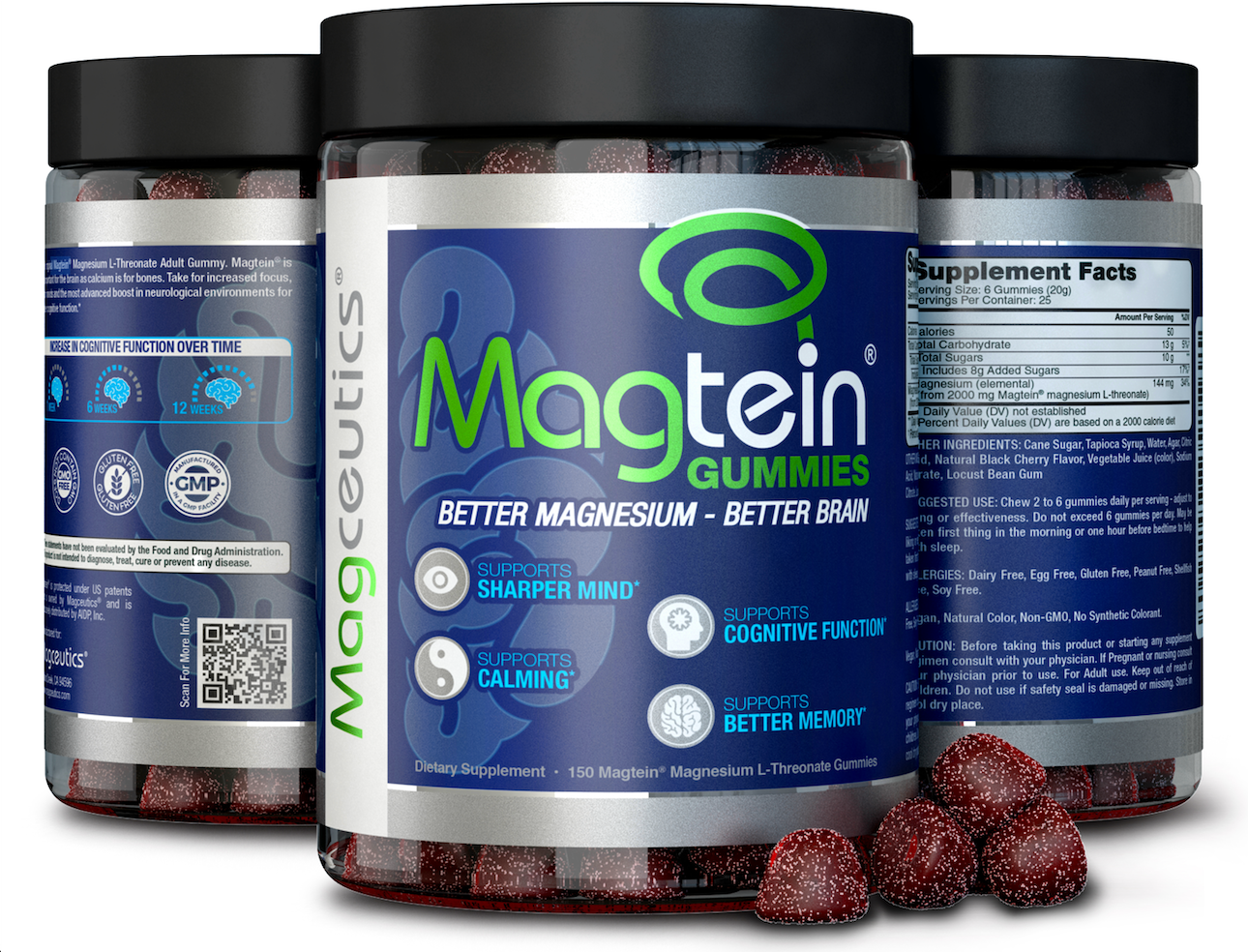
Brain-targeted forms, such as magnesium L-threonate, may be particularly valuable for women concerned about maintaining cognitive sharpness. Our Magtein collection provides options specifically formulated for brain health support. You can learn more about magnesium's specific benefits for women in our comprehensive guide on magnesium benefits for women.
B-Complex Vitamins: Energy and Cognitive Support
Vitamin supplements for women over 60 should include B vitamins, particularly B12, B6, and folate. These nutrients support:
- Energy Production: B vitamins are essential for converting food into cellular energy
- Cognitive Function: Supports neurotransmitter production and brain health
- Cardiovascular Health: Helps metabolize homocysteine, supporting heart health
- Mood Regulation: Plays a role in serotonin and dopamine production
B12 absorption becomes particularly challenging after 60 due to reduced stomach acid, often necessitating supplementation even with adequate dietary intake.
Iron: Often Overlooked After Menopause
While iron needs decrease after menstruation stops, many women over 60 still don't get adequate amounts, particularly if they follow plant-based diets or have absorption issues. Iron supports:
- Energy levels and reduced fatigue
- Cognitive function and mental clarity
- Immune system strength
- Oxygen delivery to all tissues
Our Koji Iron collection offers highly bioavailable, gentle iron supplementation that addresses absorption challenges common in this age group.
Supporting Nutrients for Optimal Wellness
Omega-3 Fatty Acids
While not technically vitamins, omega-3s deserve mention in the best vitamins for women over 60 discussions because they support:
- Brain health and cognitive function
- Cardiovascular wellness
- Joint comfort
- Eye health
Calcium Considerations
Calcium supplementation requires nuance. While calcium remains important, taking it without adequate vitamin D3, K2, and magnesium can be counterproductive. Focus on the supporting nutrients that help your body use calcium properly rather than just taking high-dose calcium supplements.
Antioxidant Support
Vitamins C and E provide antioxidant protection that becomes increasingly important as oxidative stress accumulates with age. These nutrients support:
- Immune function
- Skin health
- Cellular protection
- Overall vitality
What Vitamins Should a 60-Year-Old Woman Take?

What vitamins a 60-year-old woman should take daily depends on individual factors, but a foundational approach typically includes:
Morning:
- Vitamin D3 with K2 (with breakfast containing fat)
- B-Complex vitamins
- Magnesium (if taking split doses)
Evening:
- Magnesium (full dose or second half if splitting)
- Omega-3 fatty acids
- Any additional supplements are best taken with dinner
As Needed:
- Iron (if deficient, typically separate from calcium-rich meals)
- Additional antioxidants based on dietary intake
Beyond Basic Supplementation
Brain health becomes a priority concern for many women over 60. Our brain health collection offers targeted formulations that support memory, focus, and overall cognitive function through this life stage.
Individual needs vary based on:
- Dietary patterns (vegetarian, vegan, omnivore)
- Medication use
- Health conditions
- Activity level
- Geographic location (affecting sun exposure and vitamin D status)
Quality and Absorption Considerations
The best vitamins for women over 60 must be highly bioavailable since absorption efficiency decreases with age:
Forms Matter
- Choose methylated B vitamins for better utilization
- Select vitamin D3 over D2
- Look for chelated minerals (like magnesium glycinate or fermented iron)
- Ensure vitamin K is in the K2 form, preferably MK-7
Avoid Megadoses
More isn't always better, especially after 60. Excessive supplementation can:
- Create nutrient imbalances
- Increase risk of interactions
- Potentially cause more harm than benefit
Consider Combinations
Look for supplements designed to work synergistically, such as D3 with K2 or magnesium with B6, to enhance utilization.
Explore All Health Supplements
Frequently Asked Questions
What vitamins should a 60-year-old woman take daily?
For daily supplementation, vitamins for women over 60 should focus on nutrients that become harder to absorb or are needed in greater amounts with age. A solid foundation includes vitamin D3 (1000-2000 IU) with K2, magnesium (200-400 mg), a B-complex with methylated forms, and omega-3s. If you're not getting adequate dietary calcium, modest supplementation may be helpful, but only when combined with the cofactors (D3, K2, magnesium) needed for proper utilization. The specific amounts should be tailored to your individual needs through testing.
What is the best vitamin for women over 60?
If forced to choose a single most important vitamin in your 60s, vitamin D3 combined with K2 would be the top contender due to its crucial roles in bone health, immune function, mood regulation, and cardiovascular support. However, this question really highlights why comprehensive supplementation matters, since nutrients work synergistically. Vitamin D3 needs K2 to work properly, both need magnesium for optimal function, and B vitamins support the energy needed to stay active. The "best" approach is a thoughtfully designed regimen rather than relying on any single nutrient.