
What are the Best Supplements for Brain Fog?
You walk into a room and forget why you're there. Mid-sentence, the word you need simply vanishes. You read the same paragraph three times without retaining anything. If these moments of mental cloudiness have become your new normal, you're experiencing brain fog, and you're far from alone.
The best supplements for brain fog can help address the nutritional gaps and metabolic issues that often contribute to this frustrating cognitive state. While brain fog isn't a medical diagnosis, it's a real experience that can significantly impact your productivity, confidence, and quality of life. Choosing specific nutrients that support mental clarity can help you reclaim your cognitive sharpness.
Understanding Brain Fog
Brain fog manifests differently for everyone, but commonly includes:
- Difficulty concentrating or maintaining focus
- Mental fatigue even after adequate sleep
- Forgetfulness and poor short-term memory
- Slow thinking or processing information
- Reduced mental clarity and sharpness
- Difficulty finding words or expressing thoughts
Unlike normal occasional forgetfulness, brain fog feels like trying to think through a thick haze. It can stem from various causes, including nutrient deficiencies, hormonal changes, chronic stress, poor sleep, inflammation, or underlying health conditions.
Top Supplements for Brain Fog
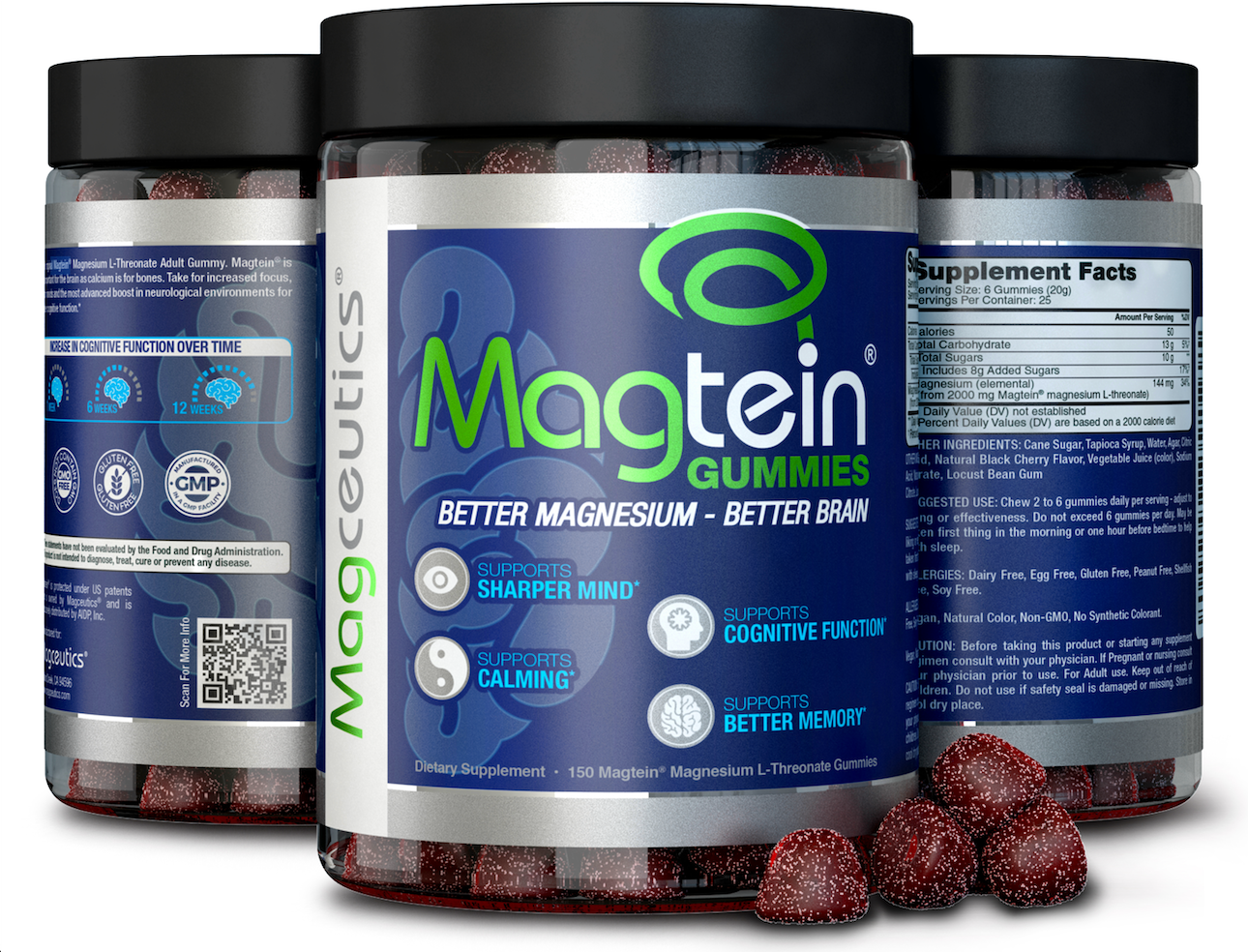
When it comes to the best brain fog supplements, magnesium L-threonate (Magtein®) stands out for its unique ability to cross the blood-brain barrier and increase brain magnesium levels. Unlike other magnesium forms that primarily support muscles or digestion, this specialized form specifically targets cognitive function.
Magnesium L-threonate supports:
- Enhanced focus and concentration
- Improved working memory
- Better information processing
- Reduced mental fatigue
- Overall cognitive clarity
Many people experiencing brain fog report noticeable improvements within 2 to 4 weeks of consistent use. Our Magtein original formula provides this brain-targeted magnesium in its patented form, while our complete Magtein collection offers various formulations to suit different needs and preferences.
Vitamin B Complex: Energy for Your Brain
Supplements for brain fog should focus on improving cellular energy production, and B vitamins are crucial for this process. Your brain uses about 20% of your body's energy despite being only 2% of your body weight. When B vitamins are insufficient, mental energy suffers.
Key B vitamins for cognitive clarity:
- B12: Supports nerve function and neurotransmitter production
- B6: Helps synthesize brain chemicals that affect mood and cognition
- Folate: Supports cognitive function and reduces homocysteine
- B1 (Thiamine): Critical for glucose metabolism in the brain
B vitamin deficiency is surprisingly common, particularly in older adults, vegetarians, and those taking certain medications. Since these vitamins work synergistically, a comprehensive B-complex often provides better results than isolated B vitamins.
Vitamin D: The Sunshine Vitamin for Mental Clarity
Vitamin D deficiency has been linked to cognitive difficulties, mood changes, and that foggy feeling many people can't quite shake. This is particularly relevant for natural supplements for brain fog since many people have suboptimal vitamin D levels without realizing it.
Vitamin D supports:
- Neurotransmitter synthesis
- Neuroprotection
- Inflammation regulation in the brain
- Overall cognitive function
Our Vegan Vitamin D3 + K2 provides optimal dosing of both nutrients, with K2 ensuring optimal utilization of vitamin D. Since vitamin D deficiency is widespread, especially in winter months or for those with limited sun exposure, supplementation often provides noticeable cognitive improvements.
Omega-3 Fatty Acids: Building Blocks of Brain Health
DHA and EPA, the omega-3 fatty acids found in fish oil, are structural components of brain cell membranes. If you’re considering supplements to help with brain fog, omega-3s deserve attention because they support:
- Cell membrane fluidity, which is crucial for neurotransmitter function
- Reduced brain inflammation
- Improved communication between brain cells
- Overall cognitive processing speed
Many people don't consume adequate omega-3s through diet alone, particularly if they don't regularly eat fatty fish. Supplementation can help fill this gap and support clearer thinking.
Iron: Often Overlooked for Cognitive Function
Iron deficiency is one of the most common nutritional deficiencies and a frequent contributor to brain fog. Without adequate iron, your brain doesn't receive sufficient oxygen, leading to:
- Mental fatigue and reduced stamina
- Difficulty concentrating
- Slower information processing
- Overall cognitive sluggishness
Women, vegetarians, and those with digestive issues are particularly susceptible to iron deficiency. However, not everyone needs iron supplementation, and excess iron can be problematic. Testing before supplementation is wise, but if a deficiency is confirmed, addressing it can often dramatically improve mental clarity.
Additional Supportive Nutrients
Best supplement for brain fog may also include:
- L-Theanine: Promotes calm focus without sedation, particularly helpful when brain fog accompanies stress or anxiety
- Rhodiola Rosea: An adaptogenic herb that may help reduce mental fatigue and support cognitive function during stressful periods
- Ginkgo Biloba: Traditionally used to support circulation to the brain and cognitive function, though results vary individually
- CoQ10: Supports mitochondrial energy production, potentially helping with mental fatigue
What Supplements Help With Brain Fog:

Supplements work most effectively when combined strategically.
Start with Foundations
Begin with nutrients most commonly deficient and most impactful for cognition:
- Magnesium L-threonate for direct brain support
- Vitamin D3 (test levels first if possible)
- B-complex vitamins for energy metabolism
- Omega-3 fatty acids for structural support
Add Targeted Support
Based on your specific symptoms and circumstances:
- Iron, if testing reveals a deficiency
- Additional adaptogenic herbs for stress-related fog
- Specific amino acids for neurotransmitter support
Allow Time for Results
Brain fog supplements typically require consistent use over several weeks to show full benefits. Some improvements may appear within days, but optimal effects often develop over 4-8 weeks as nutrient levels normalize and cellular function improves.
Frequently Asked Questions
What supplements help with brain fog?
The best supplements for brain fog typically include magnesium L-threonate for brain-targeted support, B-complex vitamins for energy metabolism, vitamin D for overall brain health, and omega-3 fatty acids for brain structure and function. Iron may be crucial if a deficiency is present. The most effective approach often combines several nutrients that work synergistically rather than relying on a single supplement, as brain fog frequently stems from multiple nutritional gaps rather than one isolated deficiency.
How long does it take for supplements to help with brain fog?
Brain fog supplements work on different timelines depending on the nutrient and your baseline deficiency. Some people notice improved energy and focus within 3-7 days of starting B vitamins or magnesium L-threonate, while others require 2-4 weeks of consistent use before experiencing noticeable clarity. Vitamin D typically takes 4-6 weeks to optimize blood levels and produce cognitive improvements. Iron supplementation, if needed, often shows benefits for mental clarity within 2-3 weeks. For best results, commit to at least 6-8 weeks of consistent supplementation before fully assessing effectiveness.
Can brain fog supplements be taken together?
Yes, supplements for brain fog are generally safe to take together and often work synergistically. Magnesium L-threonate, B-complex vitamins, vitamin D with K2, and omega-3s complement each other without problematic interactions. However, timing can matter. Iron should be taken separately from calcium-rich foods or supplements for optimal absorption, and some people prefer to take energizing nutrients like B vitamins in the morning rather than in the evening. If you're taking medications or have health conditions, consult with a healthcare provider about your specific supplement combination.