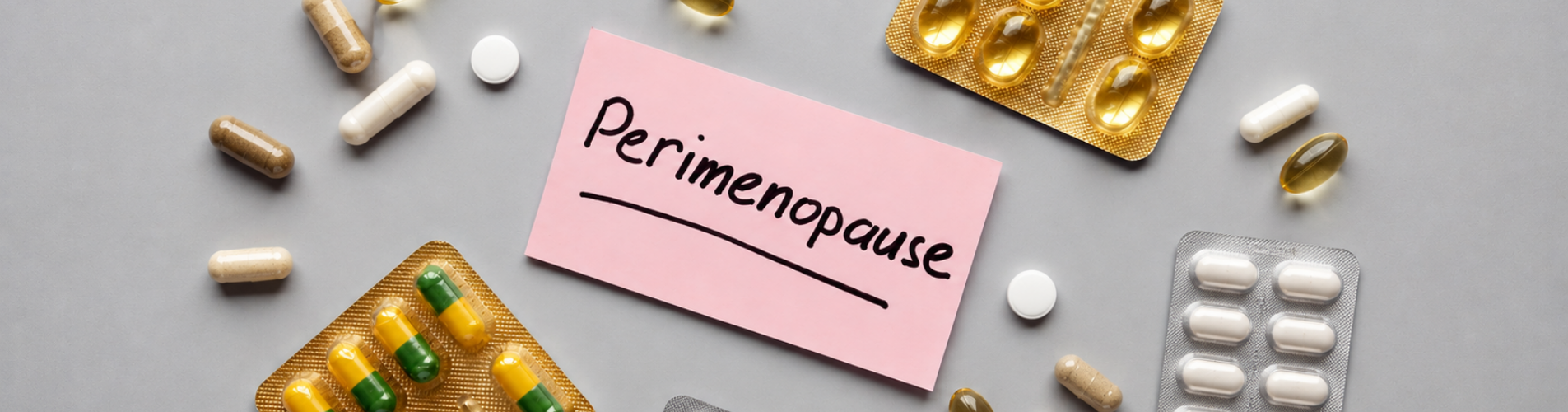
Best Perimenopause Supplements
If you’re a woman in your late thirties to early fifties, the following may sound all too familiar: Your periods are irregular. You wake up drenched in sweat at 3 AM. Brain fog makes you forget mid-sentence what you were saying. Weight seems to appear overnight despite no changes to your diet. If these experiences describe your life right now, you're likely navigating perimenopause. You may also be wondering if a supplement of some kind may help.
The best perimenopause supplements address the multiple symptoms that come with this transitional phase of life without artificially manipulating your hormones. In this blog, we'll explain which nutrients support your body through hormonal fluctuations, what actually works based on your specific symptoms, and how to create a supplement strategy that works for you during this phase of life.
Perimenopause and Nutritional Needs
Perimenopause typically begins in your 40s (though sometimes earlier) and lasts 4-10 years before menopause. During this time, estrogen and progesterone levels fluctuate wildly rather than declining steadily, creating the constellation of symptoms that can seriously disrupt your life, like:
-
Hot flashes and night sweats
-
Sleep disturbances and insomnia
-
Mood swings, irritability, and anxiety
-
Brain fog and memory issues
-
Weight gain
-
Joint aches and muscle tension
-
Decreased bone density
-
Reduced energy and increased fatigue
Perimenopause supplements won't eliminate symptoms entirely, but strategic nutritional support can significantly reduce their severity and help your body navigate this transition more smoothly.
Essential Nutrients for Perimenopause
Magnesium: The Multitasking Mineral

When it comes to magnesium supplements for perimenopause, this mineral deserves top billing because it addresses multiple common symptoms simultaneously.
How magnesium helps:
-
Reduces hot flash frequency and intensity
-
Supports better sleep despite night sweats
-
Helps manage mood swings and anxiety
-
Reduces muscle tension and joint discomfort
-
Supports bone health as estrogen declines
-
Helps regulate stress response during hormonal chaos
Best magnesium supplement for perimenopause:
- Magnesium L-threonate and acetyl taurinate (ATA Mg®): For brain fog and cognitive symptoms
- Magnesium glycinate: For anxiety, sleep issues, and general support
- Magnesium malate: For fatigue and low energy
Most women benefit from 300-400mg daily, with some finding divided doses (morning and evening) most effective. Learn more about magnesium's specific benefits in our comprehensive guide on magnesium benefits for women.
Vitamin D: The Hormone-Like Nutrient
Vitamin D supplements for perimenopause are important because estrogen decline affects vitamin D metabolism. It also supports mood regulation during hormonal fluctuations, supports immune function, influences your metabolism and weight, and protects your bones.
Many perimenopausal women are vitamin D deficient, particularly those with limited sun exposure or who live in northern climates. Testing levels help determine appropriate dosing, though 1,000-2,000 IU daily works for many women.
B-Complex Vitamins: Energy and Mood Support
Vitamin supplements for perimenopause should include B vitamins for energy production (which combat perimenopause fatigue), mood regulation, stress response, and even cardiovascular protection.
Key B vitamins:
- B6: Supports progesterone production and mood
- B12: Essential for energy and cognitive function
- Folate: Supports mood and cardiovascular health
- B5: Supports adrenal function during stress
Look for methylated forms (methylfolate, methylcobalamin) for better utilization.
Omega-3 Fatty Acids: Inflammation and Mood
Omega-3s support perimenopause through multiple mechanisms:
- Reduce inflammation that worsens with hormone shifts
- Support mood and reduce depression symptoms
- May help reduce hot flash frequency
- Support cardiovascular health
- Provide building blocks for hormone production
Calcium: Bone Protection
While calcium gets a lot of attention for bone health, it works best when combined with vitamin D, K2, and magnesium. Without these cofactors, calcium supplementation may not effectively strengthen bones.
Considerations:
- Get calcium from food when possible (dairy, leafy greens, sardines)
- If supplementing, use 500-600mg daily (split from magnesium doses)
- Always pair with vitamin D and K2
Hormone-Balancing Support
Evening Primrose Oil
The best hormone-balancing supplements for perimenopause often include evening primrose oil, which provides GLA (gamma-linolenic acid) that may help with mood fluctuations, support skin repair, and reduce breast tenderness.
Chasteberry (Vitex)
This traditional herb may help regulate menstrual cycles and reduce PMS-like symptoms during perimenopause. However, it can interact with hormonal medications, so consult healthcare providers before use.
Maca Root
Some women report maca helps with energy, mood, and hormone balance during perimenopause, though research is limited. Start with small amounts to assess tolerance.
Addressing Specific Symptoms
For Hot Flashes and Night Sweats
Natural supplements for perimenopause hot flashes include:
- Magnesium (particularly glycinate)
- Vitamin E (may reduce frequency)
- Black cohosh (traditional remedy with mixed research)
- Soy isoflavones (for some women)
For Brain Fog and Memory Issues
Cognitive symptoms frustrate many perimenopausal women:
- Magnesium L-threonate: Crosses the blood-brain barrier for direct cognitive support
- Omega-3s: Support brain structure and function
- B Vitamins: Essential for cognitive metabolism
- Vitamin D: Affects cognitive function
For Sleep Disturbances
Sleep disruption from night sweats and hormone fluctuations requires:
- Magnesium glycinate & L-threonate: Supports sleep quality
- Vitamin D: Affects sleep regulation
- B Vitamins: Support stress response affecting sleep
For Mood and Anxiety
Hormonal fluctuations can wreak havoc on emotional stability:
- Magnesium: Regulates stress hormones and neurotransmitters
- Omega-3s: Support mood regulation
- B-complex: Provides building blocks for mood-regulating brain chemicals
- Vitamin D: Influences serotonin production
For Weight Management
Perimenopause weight gain is notoriously stubborn:
- Magnesium: Supports insulin sensitivity
- Vitamin D: Affects metabolism and fat storage
- Omega-3s: Support metabolic function
- B vitamins: Essential for energy metabolism
However, supplements alone won't prevent perimenopause weight gain without attention to diet, exercise, and stress management.
Creating Your Perimenopause Protocol
Supplements for perimenopause work most effectively when strategically combined:
Start with Foundations
Build your protocol on nutrients most commonly deficient and most impactful:
-
Magnesium for multiple symptom relief
-
Vitamin D for bone, mood, and hormonal support
-
Omega-3s for inflammation and mood
-
B-complex for energy and stress response
Add Targeted Support
Based on your primary symptoms:
- Hot flashes: Add vitamin E or black cohosh
- Sleep issues:Emphasize magnesium before bed
- Brain fog: Add magnesium L-threonate
- Mood concerns: Ensure adequate omega-3s and vitamin D
Consider Quality Formulations
The best multivitamins for perimenopause provide foundational nutrients, though you may need additional targeted supplements for your specific symptoms.
See our complete supplement collection for options that address various perimenopausal concerns through targeted nutritional support.
Browse Our Supplements for Perimenopause
When to Seek Professional Help
While supplements for perimenopause provide valuable support, consult healthcare providers if you:
- Experience severe symptoms disrupting daily life
- Have heavy or prolonged bleeding
- Notice sudden mood changes or depression
- Need help determining if HRT is appropriate
- Want blood work to guide supplementation
Some women benefit from combining supplements with hormone replacement therapy rather than choosing one or the other.
For women in their 60s, see our guide on the best vitamins for women over 60 to understand how nutritional needs continue to evolve beyond perimenopause.