Article: Best Hair Growth Supplements

Best Hair Growth Supplements
Your hairbrush collects more hair than ever. You notice your part widening. Thinning feels unavoidable as you age. If you're concerned about hair loss or seeking thicker, healthier hair, you're not alone, and supplements might offer real support.
The best hair growth supplements won't magically restore a full head of hair overnight, but they can address nutritional deficiencies and support the biological processes that determine hair health. In this blog, we'll explain which nutrients actually support hair growth, what separates effective supplements from empty promises, and how to create a strategy that works for your specific situation.
Understanding Hair Growth and Loss
Before exploring supplements, it's helpful to understand how hair actually grows. Your hair goes through cycles:
Anagen (growth phase): Hair actively grows for 2-7 years, during which proper nutrition directly affects growth rate and hair quality.
Catagen (transition phase): Hair stops growing, and hair follicles shrink for 2-3 weeks.
Telogen (resting phase): Hair rests for 2-4 months before shedding, and the cycle restarts.
Hair loss happens when something disrupts this cycle, whether that's nutrient deficiencies, hormonal changes, stress, or genetics. The best vitamins for hair growth work by supporting the biological processes that keep hair in the growth phase and produce healthy, strong strands.
Essential Nutrients for Hair Health
Iron: Often Overlooked for Hair
Can iron supplements help hair growth? Yes! Iron deficiency is one of the most common nutritional causes of hair loss, particularly in women.
Iron is essential for:
-
Carrying oxygen to hair follicles
-
Supporting hemoglobin in red blood cells that nourish hair
-
Maintaining the anagen (growth) phase
Many women with heavy menstrual bleeding or vegetarian diets become iron deficient without realizing it. Hair loss often signals deficiency before other symptoms appear.
Important note: Take iron supplements only if a deficiency is confirmed through blood testing, as excess iron can be problematic.
Vitamin D: The Underrated Hair Nutrient
Vitamin D deficiency has been linked to various hair loss conditions. This nutrient supports:
- Hair follicle cycling and growth
-
Immune function (autoimmune conditions cause hair loss)
-
Overall scalp health
-
Calcium absorption affecting follicle structure
Many people are deficient, particularly those with limited sun exposure or darker skin tones. 1,000-2,000 IU daily supports hair health while providing broader wellness benefits. Explore our vitamin D3 K2 supplement for support.
Magnesium: The Often-Forgotten Hair Nutrient
While not traditionally associated with hair, magnesium supports:
-
Protein synthesis is needed for keratin production
-
Stress hormone regulation (stress causes hair loss)
-
Blood flow to hair follicles
-
Overall metabolic health affecting hair growth
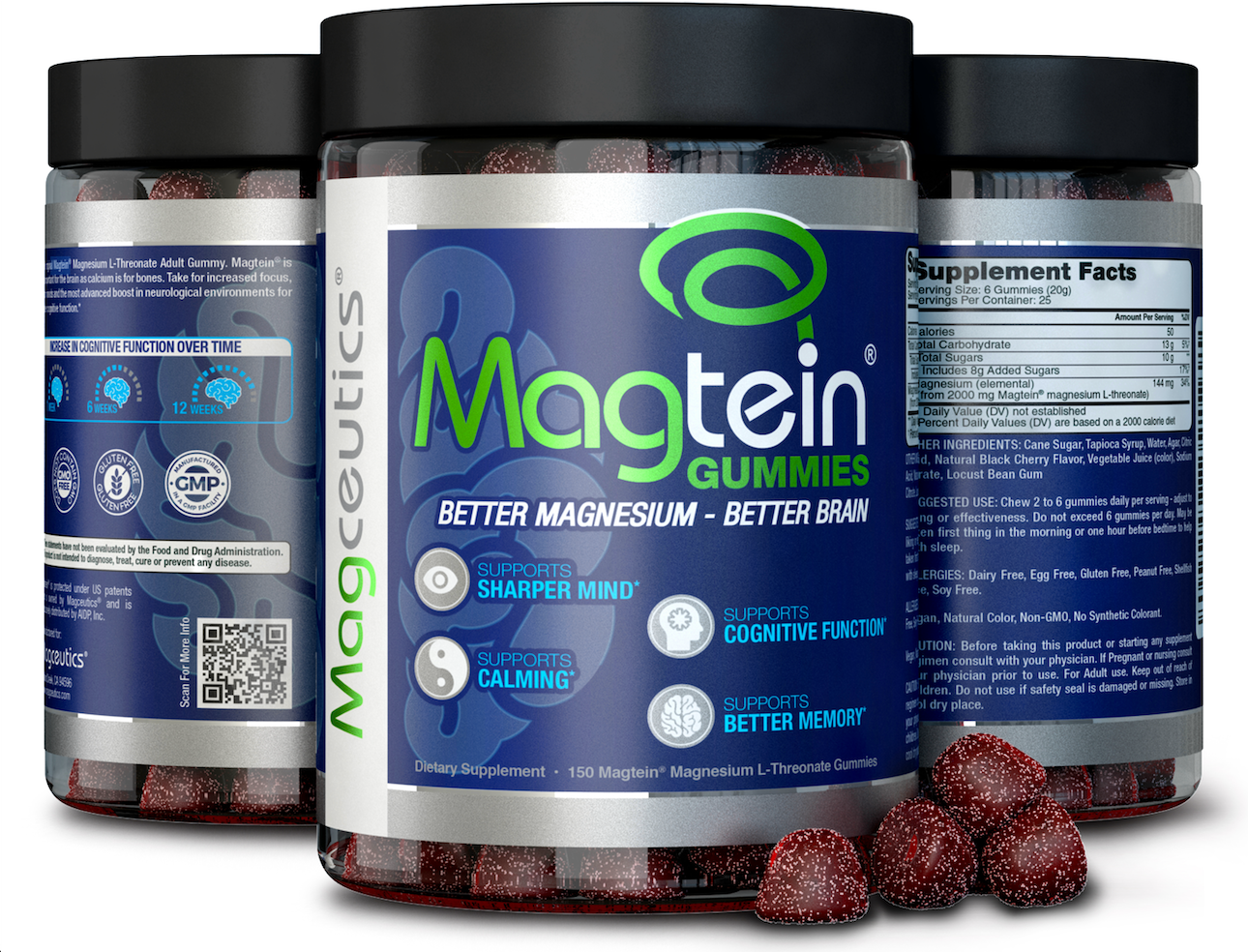
Our Magtein collection provides brain-targeted magnesium that also supports overall wellness, including hair and scalp health.
Protein and Amino Acids: The Building Blocks
Hair is primarily made of keratin, a protein. Without adequate protein, your body can't build strong hair regardless of other supplementation.
Protein's role:
-
Provides amino acids for keratin production
-
Supports hair follicle structure
-
Necessary for sustained hair growth
Best sources: Meat, fish, eggs, dairy, legumes, nuts. If dietary protein is insufficient, amino acid supplements may help, though whole food sources remain superior.
B Vitamins: Energy for Hair Growth
Hair follicles require significant energy to maintain the growth phase. B vitamins power cellular energy production.
Key B vitamins for hair:
-
Biotin (B7): Most famous for hair, supports keratin production
-
B12: Essential for energy metabolism in follicles
-
Folate: Supports cell division in hair follicles
-
Pantothenic acid (B5): Supports hair pigmentation and growth
-
B6: Supports sebum production for scalp health
B-complex supplements provide multiple forms working together, typically more effective than single B vitamins.
Zinc: Critical for Hair Growth
Zinc deficiency directly impairs hair growth. This mineral:
-
Supports protein synthesis for hair structure
-
Maintains immune function (prevents autoimmune hair loss)
-
Regulates sebum production for scalp health
-
Necessary for anagen phase maintenance
Typical dosing: 15- 30 mg daily (excess zinc can interfere with copper absorption)
Omega-3 Fatty Acids: Scalp and Follicle Health
Omega-3s support:
-
Scalp inflammation reduction
-
Hair follicle health
-
Blood circulation to hair roots
-
Overall hair strength and resilience
Fish oil supplements or algae-based omega-3s can support hair health.
Best Hair Growth Supplements: Product Types

Comprehensive Hair Vitamins
The best vitamins for hair growth formulations typically combine multiple nutrients:
-
Biotin, B-complex vitamins
-
Zinc, iron, copper (balanced minerals)
-
Vitamin C (aids iron absorption)
-
Vitamin D
-
Omega-3s or other supportive nutrients
These all-in-one formulas address multiple deficiencies simultaneously, though individual nutrient doses may be lower than those of targeted supplements.
Functional Keratin Supplements
Products containing digestible keratin (like KeraGEN-IV®) provide amino acids directly needed for hair structure. Research shows these can support hair density and reduce shedding.
Collagen Supplements
Collagen provides amino acids that support hair, skin, and nails. When hydrolyzed collagen is well absorbed, it may support hair growth by providing protein and improving scalp health.
Best Hair Growth Supplements for Women vs Men
For Women
The best hair growth supplements for women typically address:
-
Iron deficiency from menstruation
-
Hormonal causes of hair loss
-
Postpartum hair shedding
-
Nutritional deficiencies from restrictive diets
Women often benefit from iron, B vitamins, and biotin specifically.
For Men
The best hair growth supplements for men often focus on:
-
Androgenetic alopecia (male pattern baldness) support
-
Nutritional deficiencies
-
Scalp health
-
Overall follicle support
While genetics plays a larger role in male pattern baldness, supplements that support follicle health and blood flow may help slow its progression.
Beyond Supplementation
The best supplements for hair growth work best alongside:
Stress management: Chronic stress triggers telogen effluvium (excessive shedding). Manage stress to protect hair.
Scalp health: Proper cleansing and scalp massage improve blood flow. Supplements support this, not replace it.
Adequate sleep: Growth hormone peaks during deep sleep. Prioritize rest for hair growth.
Balanced nutrition: Supplements support, but don't replace, whole foods that provide a variety of nutrients.
Water intake: Hydration supports follicle function and hair strength.
Making Your Choice
What is the best supplement for hair growth? The answer depends on your specific deficiencies and hair loss type. Testing vitamin D, iron, and B12 levels helps identify which supplements will actually benefit you rather than guessing.
The best hair growth supplements combine nutrients that address your specific deficiencies with lifestyle practices that support scalp health and overall wellness. By addressing nutritional gaps while managing stress, prioritizing sleep, and maintaining scalp health, you're giving your hair the best chance to grow strong and thick.
Browse Hair, Skin & Nails Vitamins