
Best Supplements for Bone Health
Last reviewed on: March 30th, 2026
You're told to drink milk for strong bones. Take calcium supplements. Get more vitamin D. But when you look at bone health recommendations, the advice feels overwhelming and sometimes contradictory. If you're confused about which supplements actually support bone density and strength, you're asking the right questions.
The best supplements for bone health don’t focus only on calcium. In fact, taking calcium alone might not be the answer and could even cause problems. In this blog, we'll explain which nutrients truly support skeletal health and why the synergy between them matters more than any single supplement.
Bone Health Basics
Your bones are living tissue that constantly breaks down and rebuilds throughout life. During childhood and young adulthood, bone formation outpaces breakdown, building peak bone mass. After about age 30, this process gradually reverses, and breakdown starts outpacing formation.
This natural age-related bone loss accelerates significantly for women after menopause due to declining estrogen. Without nutritional support, this can lead to osteopenia (low bone density) or osteoporosis (severely weakened bones prone to fracture).
Key factors affecting bone health include:
-
Nutritional status, particularly calcium, vitamin D, K2, and magnesium
-
Hormonal balance, especially estrogen and parathyroid hormone
-
Physical activity, particularly weight-bearing exercise
-
Age and genetics
-
Medications and health conditions
While you can't control all these factors, strategic supplementation addresses nutritional gaps that commonly compromise bone strength.
Essential Nutrients for Strong Bones

Vitamin D3 with K2: The Dynamic Duo
When it comes to the best supplements for bone health, vitamin D3 and K2 together are the gold standard. These nutrients work synergistically to manage calcium properly throughout your body.
Vitamin D3's role:
-
Dramatically increases calcium absorption from your digestive tract
-
Supports bone-building cell (osteoblast) function
-
Helps maintain optimal calcium and phosphorus blood levels
-
Supports immune function and overall health
Vitamin K2's critical role:
-
Activates osteocalcin, which binds calcium into bone matrix
-
Activates matrix Gla protein (MGP), preventing calcium from depositing in arteries and soft tissues
-
Directs calcium to bones where it belongs, not arteries where it doesn't
This partnership is vital. Vitamin D increases calcium absorption, but without K2, that calcium might end up in your arteries instead of your bones - the exact opposite of what you want!
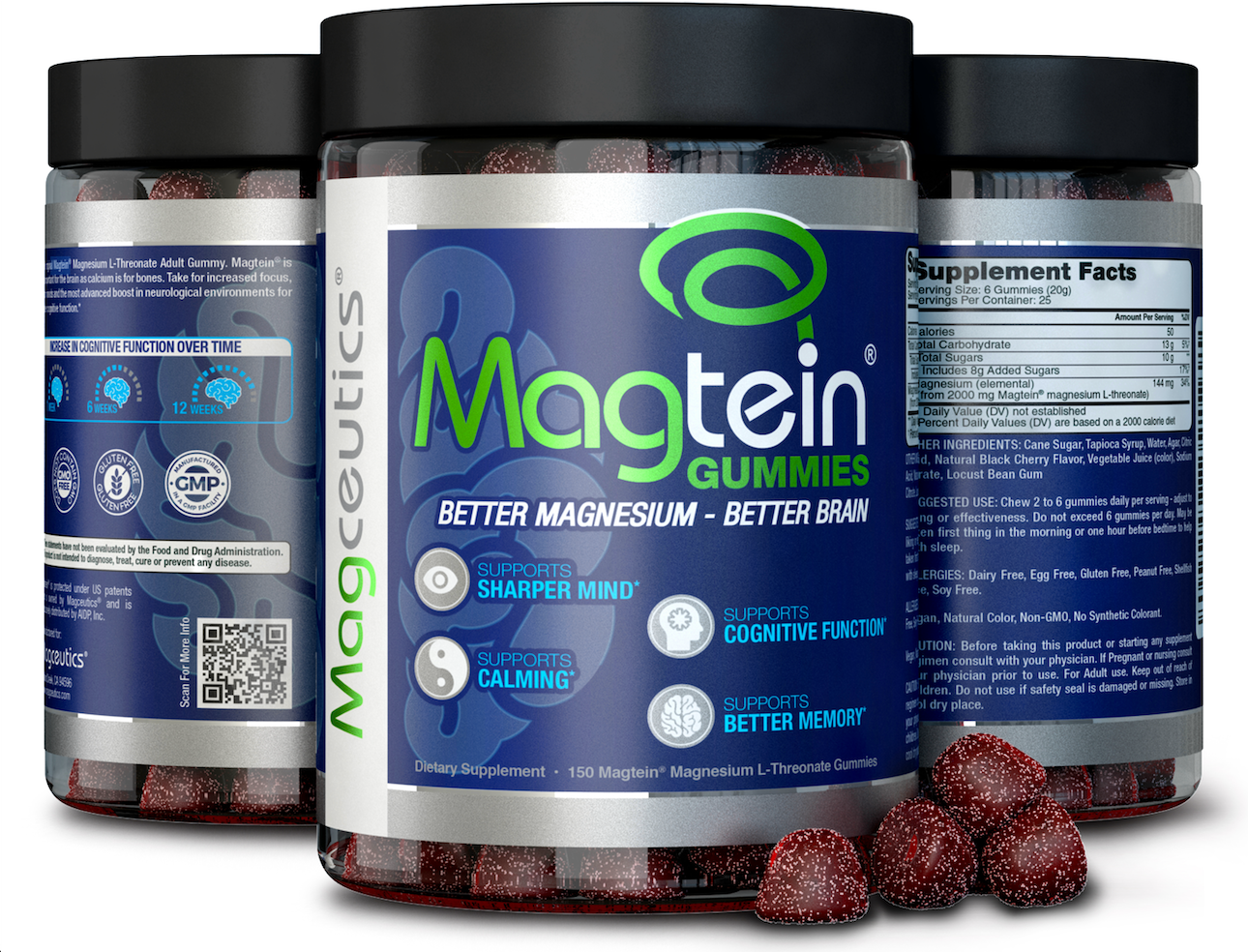
Our Vegan Vitamin D3 + K2 supplement provides optimal ratios of both nutrients. For comprehensive support, the Magtein + Vegan D3 + K2 combo adds brain health benefits alongside skeletal support.
Most adults need 1,000-2,000 IU of vitamin D3 daily, paired with 90-180 mcg of vitamin K2 (MK-7 form).
Magnesium: The Forgotten Bone Builder
Bone health supplement discussions often overlook magnesium, yet this mineral is absolutely essential for skeletal health.
How magnesium supports bones:
-
Required to convert vitamin D to its active form
-
Necessary for calcium absorption and utilization
-
Supports osteoblast (bone-building cell) activity
-
Helps regulate parathyroid hormone, which controls bone metabolism
-
About 60% of your body's magnesium is stored in bones
Without adequate magnesium, taking calcium and vitamin D provides limited benefits because your body can't properly use them. Most adults need 300-400mg of magnesium daily for bone health.
Calcium: Important - But Not Alone
Calcium gets the most attention for bone health, but taking it without supporting nutrients can be counterproductive.
Calcium for bones:
-
Primary structural component of bone tissue
-
Required for bone density and strength
-
Needs vitamin D, K2, and magnesium to work properly
Important considerations:
-
Most adults need 1,000-1,200mg daily
-
Dietary sources are preferable to high-dose supplements
-
Never take calcium without vitamin D3, K2, and magnesium
-
Excessive calcium supplementation may increase cardiovascular risks
Focus on getting calcium from food (dairy, leafy greens, sardines with bones) and use moderate supplementation only when needed to meet requirements.
Additional Supporting Nutrients
Vitamin C: Required for collagen production, which forms the structural framework of bone
Boron: Supports vitamin D metabolism and estrogen activity for bone health
Vitamin B12 and Folate: Support bone-building cell function and may reduce fracture risk
Protein: Essential for bone matrix formation, though adequate dietary intake usually suffices
Best Supplements For Bone Health: The Synergy Factor
If you’re asking what vitamin is good for bones, it’s important to understand that nutrients work together, not in isolation:
The Problem with Calcium Alone: Taking calcium without cofactors can lead to:
-
Poor absorption and utilization
-
Calcium deposition in soft tissues and arteries
-
Potential cardiovascular concerns
-
Minimal bone density improvements
The Synergistic Approach: Combining vitamin D3, K2, magnesium, and moderate calcium creates a system where:
-
Vitamin D increases calcium absorption
-
K2 directs calcium to bones
-
Magnesium activates vitamin D and supports calcium metabolism
-
Calcium provides the raw material for bone building
This is why our bone and immune support collection focuses on synergistic formulations rather than isolated nutrients.
Best Over-the-Counter Supplements for Osteoporosis
For those with diagnosed osteopenia or osteoporosis, the best over-the-counter supplements for osteoporosis should be used alongside medical treatment, not as a replacement.
Comprehensive support includes:
-
Vitamin D3 + K2 combination for calcium management
-
Magnesium for vitamin D activation and bone building
-
Moderate calcium if dietary intake is insufficient
-
Weight-bearing exercise to stimulate bone formation
-
Medical monitoring and possibly prescription medications
Building Strong Bones for Life
The best vitamins for bones and joints provide the nutritional foundation your skeleton needs to maintain density and strength. By focusing on synergistic combinations—particularly vitamin D3 with K2, magnesium, and moderate calcium—you're supporting your bones the way nature intended.
Don't focus on any single nutrient in isolation. Bone health requires multiple nutrients working together, combined with weight-bearing exercise and healthy lifestyle practices. Strategic supplementation addresses nutritional gaps that diet alone may not fill, particularly for vitamin D and K2, which are challenging to obtain in adequate amounts from food.
Your bones support you every day. Give them the comprehensive nutritional support they need to stay strong throughout their life.
Shop All Bone Health Supplements
Frequently Asked Questions
What vitamin is good for bone health?
Vitamin D3, when paired with vitamin K2, is essential for bone health. Vitamin D increases calcium absorption from your digestive tract, while K2 directs that calcium into bones rather than soft tissues. Without both working together, calcium supplementation may not effectively strengthen bones and could even deposit in the arteries.
Which is the best bone supplement?
The best supplement for bone loss isn't a single nutrient but a combination. Vitamin D3 + K2 formulations provide the most critical bone support by properly managing calcium. Look for supplements providing 1,000-2,000 IU of vitamin D3 and 90-180 mcg of vitamin K2 (MK-7 form).
Do bone supplements really work?
Yes, bone health supplements work when they address actual nutritional deficiencies and include synergistic nutrients. Vitamin D supplementation has strong evidence supporting its ability to improve bone density, especially when combined with K2 and adequate calcium intake.
What is the fastest way to increase bone density?
There's no "fast" way to increase bone density. It's a gradual process that can take months to years. The most effective approach combines weight-bearing and resistance exercise with comprehensive nutritional support, including vitamin D3, K2, magnesium, and adequate calcium and protein.