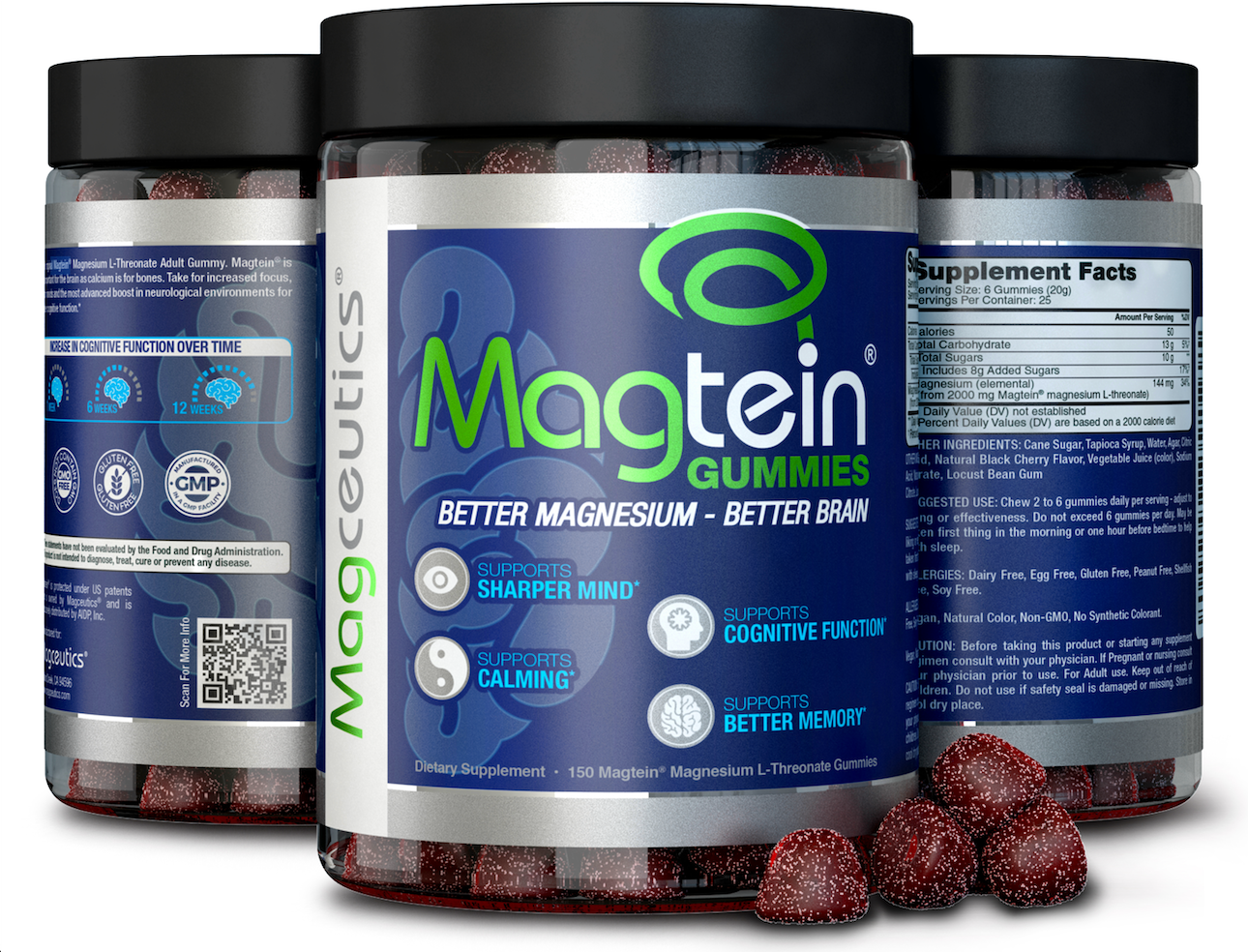

Best Magnesium Supplement for Women
You're standing in the supplement aisle, confronted by a dozen different magnesium options. You probably see: glycinate, citrate, oxide, threonate. The labels all claim benefits, but which form actually addresses women's unique health needs? If choosing the right magnesium feels overwhelming, you're asking exactly the right questions.
The best magnesium supplement for women isn't a one-size-fits-all answer because women's nutritional needs vary dramatically across life stages, from menstruation and pregnancy through perimenopause, menopause, and beyond. In this blog, we'll explain which forms of magnesium address specific women's health concerns so you can choose supplements that truly support your body's changing requirements.
Why Women Need Magnesium
Women are particularly vulnerable to magnesium deficiency across various life stages. Monthly menstrual cycles create ongoing mineral losses, pregnancy dramatically increases requirements, stress affects women's magnesium status differently, and hormonal fluctuations during perimenopause and menopause affect how the body processes this essential mineral.
A quality Women's magnesium supplement needs to extend across multiple health areas:
-
Menstrual comfort and PMS symptom management
-
Bone density maintenance, especially after menopause
-
Stress response and mood stability
-
Sleep quality during hormonal transitions
-
Energy production and reducing fatigue
-
Cardiovascular health as estrogen protection declines
-
Cognitive function and memory during aging
Knowing which magnesium form addresses your primary concerns will help guide you to the best magnesium supplements for women that actually deliver results.
Comparing Magnesium Forms for Women's Health
Magnesium L-Threonate & ATA Mg® (MagteinPRO®): Comprehensive Support
Best for: Brain fog, memory, cognitive support during menopause, stress relief
When discussing the best magnesium for women experiencing cognitive changes, magnesium L-threonate deserves special attention. This brain-targeted form crosses the blood-brain barrier to support:
-
Mental clarity during "perimenopause brain fog"
-
Memory functions as hormones shift
-
Focus and concentration
-
Stress resilience affects cognitive performance
Our Magtein collection, specifically MagteinPRO®, provides this specialized form that addresses the cognitive symptoms many women experience during hormonal transitions. MagteinPRO® combines brain-targeted magnesium with additional neurological comfort support.
Research suggests that maintaining optimal brain magnesium levels may help protect cognitive function during aging.
Magnesium Glycinate: The Calming Choice
Best for: PMS, anxiety, sleep issues
Magnesium glycinate combines magnesium with the amino acid glycine, creating a highly absorbable form with additional calming properties. The glycine component enhances relaxation, making this form particularly valuable for women dealing with:
-
PMS mood swings and irritability
-
Sleep disturbances during hormonal fluctuations
-
Anxiety during perimenopause
This form is gentle on digestion and well-tolerated even at higher doses, making it suitable for long-term daily use. Many women find glycinate helpful during the week before menstruation when stress sensitivity peaks.
Magnesium Citrate: The Digestive Helper
Best for: Women experiencing constipation, particularly during pregnancy or with hormonal changes
Magnesium citrate offers good bioavailability and a mild laxative effect that can be helpful or problematic, depending on your needs. This form works well for women who:
-
Experience constipation related to hormonal fluctuations
-
Need general magnesium supplementation with digestive benefits
-
Want cost-effective magnesium with reasonable absorption
However, the laxative effect means it's not ideal if you already have regular digestion or are prone to loose stools.
Magnesium Malate: The Energy Booster
Best for: Fatigue, fibromyalgia, chronic tiredness
Magnesium malate combines magnesium with malic acid, which is involved in energy production. This form may be particularly helpful for women experiencing:
-
Persistent fatigue despite adequate rest
-
Energy crashes related to hormonal fluctuations
-
Fibromyalgia or chronic fatigue syndrome
-
Low energy during perimenopause
Magnesium Oxide: Generally Not Recommended
Despite being inexpensive and widely available, magnesium oxide has very poor absorption (only about 4% bioavailability) and commonly causes digestive upset. Better options exist for every woman's health concern.
Magnesium for Different Life Stages

Reproductive Years and PMS
During menstruation, the best magnesium supplement for women often includes glycinate for its calming effects on PMS symptoms. Magnesium helps reduce:
-
Menstrual cramping
-
Mood swings and irritability
-
Breast tenderness
-
Water retention
-
Chocolate cravings (which may signal magnesium need)
Starting supplementation about 10-14 days before your period may provide maximum PMS symptom relief.
Pregnancy and Postpartum
Magnesium for women during pregnancy requires medical guidance, as needs increase significantly. Adequate magnesium during pregnancy may support:
-
Healthy blood pressure regulation
-
Reduced leg cramping
-
Better sleep despite physical discomfort
-
Mood stability during the postpartum period
Always consult healthcare providers before starting supplementation during pregnancy or while breastfeeding, as individual needs and safety considerations vary.
Perimenopause and Menopause
Which magnesium is best for perimenopause? This transition often requires a multi-faceted approach. Different forms address different symptoms:
For hot flashes and sleep disruption: Magnesium glycinate's calming properties may help manage sleep issues and stress-related symptoms.
For brain fog and memory concerns: MagteinPRO® (Magnesium L-threonate and ATA Mg®) specifically targets the cognitive symptoms that frustrate many perimenopausal women.
For bone health concerns: Any well-absorbed form (glycinate, threonate, citrate) supports maintenance of bone density as estrogen declines.
The best magnesium for menopause often combines forms or alternates between them based on which symptoms are most prominent at different times. Learn more about comprehensive support in our guide on the best vitamins for women over 60.
Senior Years
Magnesium for elderly women becomes increasingly important as absorption may decline and medication use increases. Priorities shift toward:
-
Bone health and fracture prevention
-
Cardiovascular support
-
Cognitive function maintenance
-
Sleep quality
-
Managing medication-related magnesium depletion
Well-absorbed forms like L-threonate work better than poorly absorbed forms like oxide, particularly as digestive efficiency may decrease with age.
Combining Magnesium with Other Nutrients
The best magnesium supplements for women often work synergistically with other nutrients:
With Vitamin B6: Enhances PMS symptom relief and supports progesterone production.
With Vitamin D: Supports bone health and may improve magnesium absorption by 28-39%.
With Calcium: Ensures balanced bone support, though take separately as calcium can interfere with magnesium absorption.
With Iron: Important for menstruating women, though spaced doses apart for optimal absorption of both minerals.
For comprehensive information on magnesium's benefits across various women's health concerns, see our detailed guide on magnesium benefits for women.
Quality Considerations
When shopping for a women's magnesium supplement, look for:
-
Well-absorbed forms (threonate, glycinate, citrate, malate)
-
Third-party testing for purity
-
Appropriate elemental magnesium content
-
Minimal unnecessary additives
-
Reputable manufacturers with quality standards
Avoid supplements using primarily oxide or have long lists of fillers and artificial ingredients.
The Best Magnesium for Women Comes Down to Timing and Consistency
Magnesium works best through consistent daily use rather than sporadic supplementation. Most benefits develop over weeks of regular use:
-
PMS symptoms: May improve within 1-2 cycles
-
Sleep quality: Often better within 1-2 weeks
-
Stress resilience: Builds over 2-4 weeks
-
Cognitive benefits: Typically 4-8 weeks
-
Bone health: Months to years of consistent support
Many women find evening supplementation helpful, as magnesium promotes relaxation and sleep, though forms like threonate can be split between morning and evening doses.
Remember that your nutritional requirements change as your body changes. Choosing magnesium supplements that evolve with your needs supports optimal wellness throughout every phase of life.